Learning how to start running when you’re out of shape begins with making the first outing smaller, calmer, and less impressive than your anxious mind expects.
Wanting to run while feeling out of shape can be an uncomfortable place to stand. You know movement may help your health, yet the thought of heavy breathing, awkward steps, or stopping after thirty seconds can make the front door feel surprisingly far away. The fear is rarely only about running. It is also about what the first run might seem to say about you.
It says much less than you think. A body that has not moved consistently for a while will find running unfamiliar. That is a starting condition, not a character reference. This is not a training plan and there is no performance target to pass. The first useful goal is simply to finish with your breathing under control, your body broadly comfortable, and enough willingness left to consider doing it again.
- Walking belongs inside the outing; it is not evidence that running failed.
- A short, controlled start is more useful than a longer session that creates dread.
What “out of shape” actually means
It usually means the body has not practised this kind of movement consistently for a while. Work, illness, injury, stress, caregiving, and long sedentary periods can all change current capacity without defining the person inside the body.
Treating a temporary condition as an identity makes every tired breath feel like proof. Treating it as a starting point leaves room to adjust.
Short jogs mixed with deliberate walking are still a real beginning. Walking can settle breathing, relax the upper body, and make the next jogging segment possible.
The belief that every pause is failure is one reason beginners often quit after starting too hard. Nonstop running is a capacity that can grow, not an entrance requirement.
Unfamiliar effort can make breathing, legs, and coordination feel louder than expected. Slow down, walk, and notice whether those sensations begin to settle.
Understanding why running can feel hard in the first minutes helps separate an awkward beginning from a pace that keeps getting harder.

Choose the starting path that fits your body today
One person may be ready for short jogs today. Another may be better served by walking for several weeks. Someone returning after pain, illness, or a long inactive period may need a more cautious decision first. The useful question is not whether running is universally better. It is which form of movement your present body can repeat without turning every outing into recovery from the last one.
Start with walking when running is still too large a step
Choose walking first when an ordinary brisk walk already raises breathing noticeably, when joints feel uncertain, or when the thought of jogging creates enough anxiety to prevent you from going outside at all. Walking is not a waiting room where “real exercise” has not begun. It can rebuild tolerance, reveal how the body responds, and make the first jog less abrupt.
The comparison between running and walking for health is not about declaring one activity superior. It helps you choose the form of movement that fits your body, schedule, recovery, and current energy well enough to continue.
Begin more cautiously when injury is your main concern
Previous pain can make every unfamiliar sensation feel suspicious. The answer is neither to ignore that concern nor to treat all effort as damage. Begin with a forgiving surface, short jogging segments, and enough walking to keep the stride relaxed. Increase only after the same session has felt manageable more than once.
Readers worried about knees, tendons, or doing too much too soon should follow the more detailed steps for starting running without getting injured. That article explains loading, warning signs, recovery, and progression more fully than a general starting overview can.
Account for the years behind you, not just the number
Turning thirty does not suddenly make running dangerous, but many adults begin again with a different body and a fuller life than they had at twenty. Long working hours, old injuries, reduced strength, poor sleep, and years of sitting may matter more than age itself.
Starting running after 30 without pain or burnout requires the same humility as any return after a long break: respect current capacity, leave room for recovery, and do not ask an old memory of fitness to set today’s pace.

Expect the first minutes to feel harder than they look
Someone may be healthy enough to begin and still find the first jogging segment surprisingly difficult. Breathing rises before rhythm develops, unfamiliar muscles tighten, and the mind can interpret that sudden effort as evidence that running is a mistake. Understanding why running feels so hard at first helps separate normal early adjustment from an effort that continues getting worse.
Know when you are ready to begin gently
-
Ordinary walking feels stable
Begin from a place where an easy walk feels steady rather than dizzy, painful, or unusually breathless. Walking is both a starting point and a useful check before jogging enters the outing.
A reasonable starting conditionComfortable walking, stable balance, and breathing that settles normally.A reason to pause or askSymptoms that make ordinary walking feel unsafe or distinctly abnormal. -
The route feels forgiving
Choose a flat, familiar place with room to slow down without embarrassment: a quiet path, a calm street, or a loop near home. The best first route reduces decisions rather than adding scenery, hills, traffic, and an audience.
A reasonable starting conditionA predictable surface and an easy way home.A reason to pause or askRemote routes, steep hills, heavy traffic, or places where stopping feels difficult. -
The goal is deliberately small
Plan to practise a few gentle transitions between walking and jogging. Do not promise a distance, calorie total, or heroic finishing time before the body has had a vote.
A reasonable starting conditionA session that can end early without feeling spoiled.A reason to pause or askA target that turns the first jog into a test of character. -
Personal health context has been considered
Someone returning after illness, injury, surgery, pregnancy, a long period of inactivity, or with a known medical condition may need individual advice before beginning. MedlinePlus recommends speaking with a healthcare provider before starting an exercise program when you have been inactive for some time or have a health condition. Generic running advice cannot replace that personal context.
A reasonable starting conditionConfidence that gentle activity is appropriate for the current situation.A reason to pause or askGuessing through symptoms or ignoring advice already given by a qualified clinician.
Before choosing your own intervals, it may help to see what a beginner walk–run session actually looks like. The example below uses a structured Couch to 5K session, but you can make each jogging interval shorter whenever that is what your body needs today.
Try one session small enough to repeat
-
Walk until the body feels ordinary
Begin with 5–10 minutes of unhurried walking. Let the arms swing, notice the surface, and wait until the legs feel less stiff. This is part of the outing, not a warm-up that must be hurried through.
-
Add a jog that feels almost too short
Jog gently for 15–30 seconds. Keep the steps quiet and the shoulders loose. The correct first segment may end before pride thinks anything has happened; the body is still receiving a new signal.
-
Walk before breathing becomes a negotiation
Return to walking while a short sentence is still possible. Walk for 60–90 seconds, or longer when needed, and wait for breathing and posture to feel ordinary again. Repeat the pair three to six times only while each jog remains controlled. After two or three informal outings, a more consistent beginner run-walk interval can remove the need to decide when to walk each time. The ratio is a repeatable structure, not a test to pass.
-
Stop while there is something left
Finish with another easy walk. The separate question of how long a beginner should run depends on current capacity and recovery; a first outing can end earlier than a general range suggests.
-
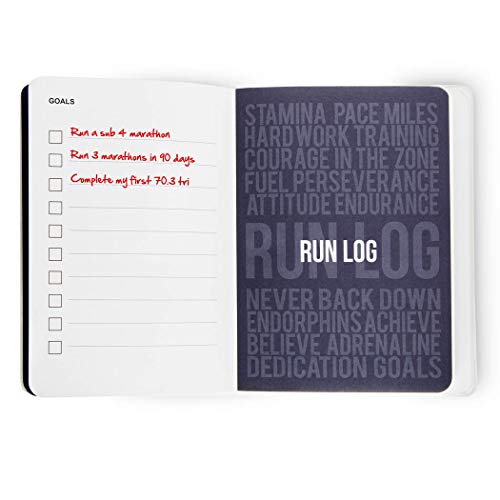
Write down only what helps next time
Record how long the jogs lasted, whether speech stayed comfortable, and how the body felt later that day. Do not grade the pace. One calm note is enough to make the next outing less mysterious.
There is no required number of repeats. Three controlled jogs teach more than a seventh one completed with clenched shoulders and regret. Alternating between walking and running is not merely a gentler substitute for “real running.” It is also the approach used in the NHS Couch to 5K plan for absolute beginners, which gradually increases running time while keeping walking and recovery days inside the program.

Expect the body to feel unfamiliar
The first few outings may feel untidy. Breathing changes before the mind expects it, the feet do not yet find an automatic rhythm, and ordinary muscles suddenly submit a detailed complaint. None of this needs to be dressed up as a beautiful beginning. It only needs to be read calmly.
Breathing may rise quickly
New runners often start faster than they realise because even a slow jog feels exciting for the first few seconds. The CDC talk test offers a simple way to judge effort: during moderate activity, you should generally still be able to talk, while vigorous activity allows only a few words before pausing for breath.
For this first outing, slow the jog or return to walking when speaking becomes difficult. The goal is not silent breathing; it is breathing that remains controlled enough to settle. A person who cannot recover normally after slowing or stopping should end the session rather than bargain with the next interval.
The stride may feel clumsy
Heavy footsteps, uncertain arm movement, and a general sense of occupying too much pavement are common when the motion is unfamiliar. Do not rebuild every part of the stride at once. Building relaxed running-form habits as a beginner can begin with one cue – soft hands, loose shoulders, or quieter steps – while the effort stays easy.

The next day provides useful information
Mild, general muscle awareness may appear later in the day or the next morning when the body is new to impact. The better question is whether ordinary walking, sleep, work, and daily movement remain comfortable. A body that feels broadly normal again is offering a very different message from pain that is sharp, worsening, swollen, one-sided, or changing the way you walk.
A simple post-run recovery routine can make those signals easier to read: cool down, drink according to thirst and conditions, eat normally, and notice how the body behaves after the excitement of the first outing has passed.
Stop running for chest pain or pressure, fainting, severe dizziness, unusual or extreme shortness of breath, or a fast or irregular heartbeat that does not settle. The American Heart Association identifies these as warning signs that warrant stopping physical activity and contacting a healthcare professional. Sudden or severe chest pain, particularly when accompanied by shortness of breath, dizziness, nausea, or sweating, requires urgent medical attention. Sharp, worsening or swollen musculoskeletal pain – or pain that changes normal walking – also should not be tested with another running interval.
Choose only the gear that makes starting simpler
The shoe should feel comfortable from the first walk, with no sharp pressure, heel slipping, toe crowding, or rubbing that grows with each step. It does not need to be expensive or built for speed.
A comfortable top and shorts or leggings that stay in place may already be enough. Choose coverage according to temperature, wind, rain, sunlight, and how long the outing will last.
A phone timer may help mark short jogs and walks, but pace, distance, and calorie targets are not required. The first outing can be judged by speech, comfort, and willingness to return.
A belt, reflective layer, hat, or other accessory can help in a specific situation, but it does not belong on a universal beginner checklist. Use what you own until a recurring problem shows what is missing.
Clothing only needs to make the actual conditions less distracting. A practical approach to running clothes for beginners starts with one comfortable outfit tested in motion, not a complete wardrobe bought before the first outing.
Near 40°F, simple layers for a 40-degree run can keep the opening walk from feeling too cold without trapping too much heat once the jogging begins.

Protect the second outing
A first run can feel exciting enough to invite an immediate sequel. The quieter work is allowing the body and mind to absorb what happened. Early consistency does not come from proving how much can be done; it grows when the next outing still feels possible.
Leave energy for ordinary life
Finishing completely exhausted may feel like evidence of effort, but it can make stairs, work, sleep, and the next run unnecessarily difficult. Stop with some energy left. A realistic beginner running plan should make room for recovery and ordinary responsibilities rather than treating the rest of life as an inconvenience.
Repeat before increasing
Keep the same modest walk-jog pattern for a few outings before adding time. One unusually easy day does not require a promotion. Repeating the same session helps reveal whether the effort was genuinely manageable or merely carried by fresh enthusiasm and cooperative weather.
Notice when dread begins to shrink
Progress may first appear as less resistance rather than more speed: putting on shoes without a debate, recovering breath sooner, or thinking, “That was not as bad as I expected.” The live article on how long it can take to enjoy running explains why enjoyment often begins as the absence of dread, not a sudden love affair with pavement.
Choose the next step after the first few outings
-
Use a plan when deciding each day becomes tiring
A plan becomes useful when uncertainty is the obstacle: you do not know how often to go out, when to rest, or when to repeat rather than increase. A realistic beginner running plan should organize gentle effort and recovery without turning every missed day into failure.
-
Use intervals when breathing controls the session
Choose a repeatable run-walk ratio when jogging becomes strained at roughly the same point each time. Planned walking can settle breathing before posture collapses, making the session easier to repeat and adjust.
-
Think about duration only after control becomes repeatable
Do not let distance decide whether an early outing counted. Once breathing, posture, and next-day comfort have become predictable, the question of how long a beginner should run can help you choose a sensible range without treating its upper end as an assignment.
-
Build consistency by reducing the next decision
When the physical effort is manageable but the habit still disappears, the problem may be friction rather than fitness. The practical approach to staying consistent with running is to prepare the obvious things, protect a minimum version of the habit, and make returning easier after an interrupted week.
You do not need to follow every path at once. Choose the article that answers the obstacle currently standing between this outing and the next one.
Practical answers about starting while out of shape
How do I start running when I am completely out of shape?
Begin with an easy walk, add a 15–30 second gentle jog, and return to walking before breathing becomes distressed. Repeat only while speech and posture remain controlled. The first outing can be very short; its job is to make a second outing feel possible.
Should I lose weight before I start running?
You do not need to reach a particular body size to begin moving, but running is not the only valid starting activity. Walking, cycling, swimming, or another comfortable option may suit the body better right now. Current health, joint comfort, previous injury, and medical context matter more than a number on the scale.
Is walking during a run cheating?
No. Planned walking can regulate effort, restore breathing, and keep form relaxed. It is part of the session rather than time removed from it. Continuous running can develop later when the body is ready.
How slow should a beginner run?
Slow enough to speak a short, ordinary sentence without gasping and to keep the shoulders, hands, and jaw relaxed. That may look like a shuffle. When even the shuffle becomes strained, walk until control returns.
How often should I repeat the first session?
Give the body enough time to feel broadly normal again before repeating it. Many beginners prefer at least one non-running day between early outings, but recovery, health history, and current activity vary. Do not use a fixed schedule to overrule pain or unusual fatigue.
What should I do when the first run feels terrible?
End it without turning the experience into a verdict. Note whether the problem was pace, duration, route, weather, shoes, anxiety, or a concerning symptom. The next attempt can be shorter, slower, closer to home, or entirely walking. A difficult first outing is information, not a lifetime diagnosis.
Let the first run stay small
- Walking, short jogging, and stopping early can all belong to a successful beginning.
- The next outing matters more than making the first one look impressive.
Learning how to start running when you’re out of shape is less about finding hidden toughness and more about removing unnecessary pressure. Walk first. Jog briefly. Return to walking while control is still available. Then let the body tell you what the day actually asked.
You do not need to become “a runner” before this movement counts. One slow, short, imperfect outing can already be useful – not because it proves what you can endure, but because it leaves the door open for another ordinary day.