How to Spend Less Without Buying the Wrong Shoe
Knee discomfort can make beginner running confusing, especially when you are trying not to spend too much. The easy mistake is to search for the cheapest pair or the softest pair and hope it fixes the problem.
A better starting point is to ask whether shoes are really the thing worth spending on right now. Budget running shoes can help when your current pair fits poorly, feels unstable, or has cushioning that no longer feels protective. But they cannot diagnose knee pain, and they should not be used to push through pain that is sharp, worsening, or affecting normal walking.
- When a budget running shoe is enough
- When stability is worth paying for
- When cushioning is the better upgrade
- When buying new shoes should wait
First, Make Sure Shoes Are the Problem Worth Spending On
-
Check the pain pattern firstIf the discomfort is mild and mostly shows up after short beginner runs, footwear may be one part of the decision. If the pain is sharp, getting worse, comes with swelling, or affects daily walking, do not treat shoe shopping as the main answer.Look forMild soreness that seems connected to running comfort, landing feel, or worn-out shoes.AvoidUsing a new pair of shoes as a way to ignore clear, worsening, or unusual pain.
-
Look at your recent training changeKnee discomfort often appears when a beginner adds distance, speed, hills, or extra running days too quickly. In that case, lowering the running load may matter more than buying something new.Look forA recent jump in mileage, pace, route difficulty, or weekly frequency.AvoidChanging shoes while continuing the same training jump that may have caused the discomfort.
-
Compare the shoe problem you can actually feelA new budget shoe makes more sense when your current pair clearly feels loose, unstable, flat, harsh, or worn down. If your current shoes still feel secure and steady, you may not need to spend money yet.Look forHeel slip, cramped toes, a flat midsole, poor grip, or a wobbly landing.AvoidBuying only because a shoe is cheap, discounted, or described as good for knee pain.
The Cheapest Shoe Is Not Always the Cheapest Choice
A bad fit can make a cheap shoe expensive fast
- Heel slip changes how the shoe feels If your heel keeps lifting, you may over-tighten the laces or run with extra tension. A cheap shoe is not a deal if you keep fighting the fit.
- Toe crowding shows up quickly A cramped toe box can feel acceptable when standing still but uncomfortable once your feet warm up during run-walk sessions.
- Side-to-side movement makes the ride less steady If your foot slides inside the shoe, even decent cushioning can feel unstable because the shoe is not moving with you.
Fit is the first budget filter because it decides whether the shoe can actually support your running habit. For a deeper fit checklist, see what makes a running shoe healthy before buying only because the price looks good.
Weak cushioning can lose comfort before you build the habit
Softness helps only if the shoe still feels steady. If the foam feels flat, mushy, or uneven after a short time, it may stop feeling useful before your running habit becomes consistent.
For beginners, predictable cushioning is often more helpful than maximum softness. The goal is a shoe that still feels protective on normal easy runs, not one that feels impressive for five minutes in the store.
A shoe that loses its feel quickly can become expensive if you replace it early or stop using it because runs feel harsh.
Budget value should include how long the shoe stays comfortable enough for regular beginner mileage.
When a Simple Budget Shoe Is Enough
You mainly need a secure fit and a steady everyday feel

The ASICS Gel-Contend 9 is a useful example of a basic budget running shoe for beginners who mainly need a secure fit and a steady everyday feel. It is not here as a magic answer for knee discomfort, but as an example of choosing a real running shoe instead of a flimsy casual sneaker or the cheapest pair you can find.
- Simple daily trainer for short beginner runs
- More appropriate than casual sneakers for running
- Useful when fit and basic stability matter most
- Not a plush premium cushioning shoe
- Not a true stability shoe for stronger support needs
- May feel too basic if you already run higher mileage
When Paying for Stability Makes More Sense Than Paying for Softness
Your foot feels unstable, wobbly, or rolls inward

The ASICS GT-1000 14 is a useful example of a budget-friendly stability shoe for beginners who feel wobbly or notice the foot rolling inward. It is not a cure for knee discomfort, but it shows when paying for guidance and a steadier base may be more useful than simply buying a softer shoe.
- More support than a basic neutral shoe
- Useful when soft shoes feel unstable
- Better match for inward roll or wobble
- More structured than some beginners need
- Not as soft as max-cushion shoes
- May feel unnecessary if neutral shoes already feel steady
A steadier base can be more useful than extra cushion
- Wobble is not fixed by softness If your foot feels unstable, adding more cushion may make the shoe feel more comfortable at first but not more controlled during repeated steps.
- Support should feel like guidance A stability shoe should help your foot move through a steadier path without feeling like it is pushing your stride into place.
- Try stability when the pattern is clear Stability makes more sense when you repeatedly feel inward roll, side-to-side movement, or loss of control in softer neutral shoes.
If you already know you need a more supportive shoe, compare this with our stability-focused picks before choosing.
When Cushioning Is the Better Budget Upgrade
Pavement feels harsh even on short easy runs
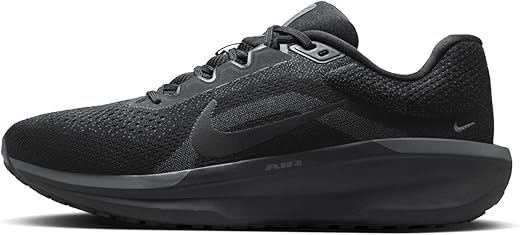
The Nike Winflo 11 is a useful example of a budget-friendly cushioned running shoe for beginners who feel more impact than instability on hard surfaces. It is not here as a fix for knee discomfort, but as an example of when paying for a softer, more forgiving ride may make easy runs feel less harsh.
- More forgiving feel on hard pavement
- Better match when impact feels like the main issue
- Useful for short easy road runs
- Not a stability shoe for inward roll
- May not suit runners who dislike softer rides
- Fit still matters more than cushioning alone
Cushioning should soften impact without making you feel unstable
Cushioning only helps if the shoe still feels controlled. A softer shoe that makes your foot wobble can be the wrong budget upgrade.
The goal is to soften harsh pavement without creating a new stability problem. For beginners, comfort and control need to work together.
You may only need enough cushioning to make short easy runs feel smoother. Buying more shoe than your habit requires can waste money if the fit or stability is wrong.
A budget upgrade should solve the specific problem you feel now, not cover every possible future need.
Budget Mistakes That Can Keep Knee Discomfort Coming Back
Buying the softest shoe because your knees hurt
Softness can help when impact feels harsh, but it can also feel unstable if the shoe is too mushy or narrow for your stride.
This is why the better question is not “Which shoe is softest?” but “Does this shoe feel comfortable and controlled when I jog slowly?”
Cushioning does not fix every type of knee discomfort. If the real issue is wobble, poor fit, or a quick training jump, more softness may not solve the problem.
A budget shoe should match the problem you can actually feel, not just the body part that feels sore.
Keeping a poor fit because the price was good
-
Do the walking test before committing
Walk around and notice heel slip, toe pressure, or rubbing. A discount is not worth much if the shoe already feels wrong before a real run.
-
Do not use tight lacing to rescue the wrong fit
If you have to over-tighten the laces just to hold your foot in place, the shoe may create pressure in one area while still feeling unstable in another.
-
Be willing to return the deal
A budget shoe is only a good buy if you can actually use it. If the fit feels wrong early, returning it is often smarter than forcing yourself to adapt.
This section is not repeating the fit checklist from earlier. Here the focus is the buying mistake: keeping a bad shoe because the price makes you want it to work.
Using casual sneakers that only look like running shoes
- Running style is not running function Some casual sneakers borrow the shape of running shoes but are not built for repeated beginner mileage.
- Check the midsole and outsole A real running shoe should feel protective underfoot and have enough outsole grip for regular road or sidewalk use.
- Do not let the upper fool you A breathable-looking upper does not matter much if the shoe feels flat, stiff, slippery, or unstable once you start jogging.
You do not need an expensive shoe to begin, but you do need a shoe that is actually made for running rather than only styled like one.
Who Should Wait Before Buying Any New Shoes?
You do not need to buy more gear immediately if your current setup still lets you run short, easy sessions safely and consistently.
Spend Less by Solving the Right Problem
- Choose fit before price
- Choose stability when control is the issue
- Choose cushioning when impact feels harsh
- Wait if pain or training load is the bigger problem
A good budget running shoe is not simply the cheapest pair you can find. It is the least complicated shoe that solves the problem you actually feel: poor fit, lack of stability, harsh pavement, or worn-out cushioning. If you are still unsure which category matches your situation, compare this guide with our main guide before buying.