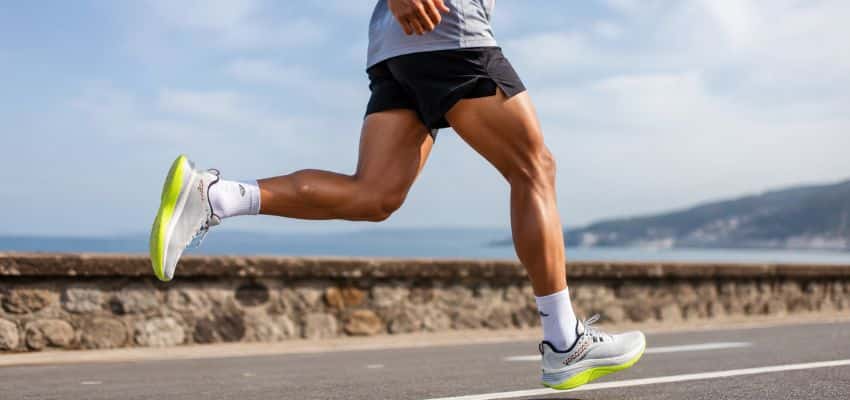
A good running shoe for health should make easy movement feel comfortable, secure, and repeatable – not turn every outing into a test of speed or toughness.
So, what makes a good running shoe for health? Start with fit and immediate comfort. The heel should stay secure, the toes should have room, the upper should not pinch, and the platform should feel predictable while walking and jogging. Cushioning, stability, weight, and price matter only after those basics work for the person wearing the shoe.
No shoe can guarantee pain-free running or prevent every injury. Training load, recovery, previous activity, surfaces, and individual health all affect how a run feels. The shoe has a smaller but still useful job: remove avoidable friction so that a short, easy run is something you can reasonably repeat. This article is the footwear sub-menu for that decision; it helps identify the problem first, then points to the more specific live article when a narrower comparison is useful.
- Comfortable from the first try-on, without sharp pressure or numbness.
- Secure at the heel and midfoot, with room for the toes to spread.
- Steady and predictable at your normal walking and easy-running pace.
- Chosen for the running you do now, not an imagined future workout.
Useful features are quieter than the sales pitch
Price can buy lighter materials, premium foam, or specialized geometry, but it cannot guarantee that the shoe matches a particular foot. A straightforward daily trainer can be the better health-first choice when it fits well and feels steady.
A feature is valuable only when it solves a problem you can actually feel. Buying for an ordinary current routine is part of keeping beginner running gear simple and useful.
Cushioning should soften the landing while the foot still feels centered and controlled. A very soft shoe may be comfortable for one runner and wobbly or tiring for another.
Standing comfort does not reveal how the platform behaves through repeated easy steps. Walking and jogging in the shoe provide more useful information than pressing the foam with a thumb.
Most shoes are tools, not braces. Some runners appreciate added guidance, while many do well in a stable neutral daily trainer. Support should feel natural rather than forceful.
A label such as neutral or stability is only a starting category. The useful result is a secure, predictable step at the pace you actually use.
A better fit may remove rubbing, crowding, heel slip, or an unstable sensation. It cannot diagnose pain, undo a sudden increase in running, or guarantee that a symptom will settle.
Pain that is sharp, worsening, persistent, swollen, or affecting normal walking deserves a reduction in load and appropriate assessment – not a faster trip to the checkout.
A softer or steadier shoe may feel more comfortable without being proven to prevent injury. A Cochrane review found low-certainty evidence that soft midsoles may make little or no difference to running injury rates compared with harder midsoles, while evidence comparing stability and neutral shoes was very uncertain. The review examined injury prevention, not treatment of existing pain.
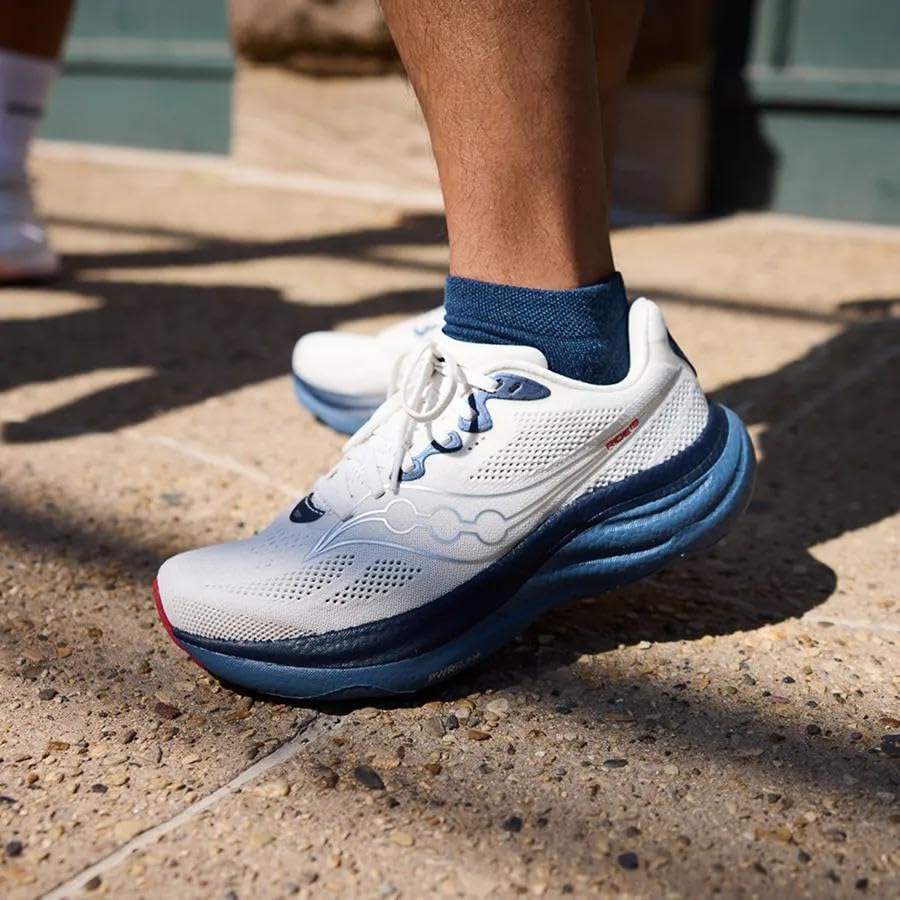
Start with qualities that remain useful on an ordinary run
-
Immediate comfort
The shoe does not need to feel luxurious, but it should not create a sharp pressure point, burning, numbness, or a strong urge to take it off. A little unfamiliarity is different from pain.
Look forComfort that stays calm while standing, walking, and joggingAvoid acceptingA painful break-in period promised by the box or salesperson -
Secure fit
The heel and midfoot should stay connected to the shoe without crushed laces. The toes need space to wiggle and enough length that the longest toe does not meet the front as the foot warms up.
Look forHeld at the back and middle, roomy at the frontAvoid acceptingHeel lift, toe contact, arch pressure, or side bulging -
Predictable platform
At an easy pace, the foot should feel centered rather than tipped, unstable, or forced along an unfamiliar path. Predictable does not have to mean stiff; it means the shoe is not asking for constant attention.
Look forA steady transition from landing to push-offAvoid acceptingWobble, hard edges, or a shape that feels controlling -
A clear everyday purpose
For most health-first beginners, a daily trainer is the simplest category: comfortable enough for walking breaks and easy runs, durable enough for regular use, and not dependent on high speed to feel smooth.
Look forA shoe that suits current routes, pace, and frequencyAvoid acceptingSpecialized racing features bought for workouts you do not do

Fit the shoe before choosing a category
Secure the heel without squeezing the whole shoe
The heel should rise with the shoe rather than slide noticeably at every step. Mild slip can sometimes improve with a runner’s loop or a different lace tension, but tightening every eyelet until the top of the foot aches is not a fit solution. The midfoot should feel held, not clamped.
Leave functional room around the toes
Check the space while standing, because the foot lengthens and spreads under body weight. About a thumb’s width in front of the longest toe is a useful starting check, not a law. Width and toe-box shape also matter: sizing up may add length without fixing pressure across the forefoot. The live 60-second running-shoe fit check goes through heel security, toe room, midfoot hold, and underfoot stability in order.
Test the socks and any insoles you will actually use
A thick casual sock can make a suitable shoe feel cramped; a very thin sock can hide a loose heel. Bring the running socks you use, and test personal orthotics or insoles in the shoe if they are part of your normal setup. Remove the stock insole first when the insert is designed to replace it, and make sure the heel does not end up sitting too high.
Compare both feet, not only the larger label size
Feet are often slightly different. Fit the roomier foot, then use lacing or sock choice to settle the smaller side. If one foot repeatedly goes numb, rubs, or slips while the other feels fine, the shoe’s shape may be the problem even when the printed size seems correct.
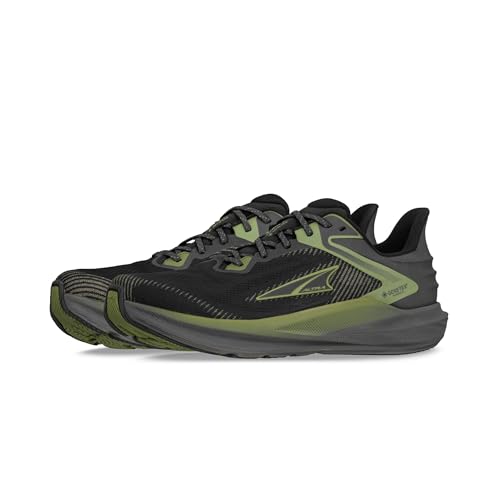
Use a short try-on and first-run test
-
Try shoes when the feet are not at their smallest
Feet can become a little fuller after ordinary standing and walking. Trying the pair later in the day, in the socks you run in, gives the shoe a fairer test than a barefoot squeeze first thing in the morning.
-
Stand and check space before judging softness
Settle the heel at the back, lace normally, then check the longest toe and the widest part of each foot. Notice pressure at the arch, little toe, bunion area, or top of the foot before the cushioning distracts you.
-
Walk briskly, turn, and jog easily
Use the shop treadmill or permitted test area. The shoe should remain secure while changing direction and should feel predictable at a slow jog; a health-first shoe does not earn extra points only because it becomes pleasant at a faster pace.
-
Compare two pairs back to back
Place one model on each foot when the store allows it, then swap sides. Compare heel hold, toe room, pressure, and stability—not the color or technical vocabulary. A clear comfort difference is useful data.
-
Keep the first outdoor run short and familiar
After checking the return policy, use a familiar easy route without adding speed or distance. Notice rubbing, numbness, instability, or localized pain during the run and later that day. The test should answer one question: does this pair make the normal outing easier to repeat?
Do not run through sharp pressure or numbness to break in a shoe. AAOS fitting advice recommends trying shoes toward the end of the day, wearing the appropriate athletic socks, and checking both shoes with the laces tied. A brief try-on is a starting check, not a reason to ignore symptoms during later use.

Match cushioning and stability to the problem
When the landing feels harsh, compare cushioning
Cushioning is worth comparing when a comfortable fit still feels firm or jarring on the surfaces you normally use. The useful pair softens that sensation without leaving the heel or forefoot difficult to control. The cushioned-shoe comparison for beginner knee discomfort explains the difference between softness and controlled comfort; it is a category guide, not a promise that foam will treat pain.
When the step feels wobbly, compare stability
Added stability may help when the current platform feels narrow, very soft, or hard to trust as the legs tire. Look for gentle guidance and a broad, predictable base – not the strongest correction available. The beginner stability-shoe article helps separate a genuine control problem from discomfort better addressed by fit, less running load, or a different cushioning feel.
When you only need one everyday pair, start simple
A comfortable neutral daily trainer is enough for many people who walk, use run-walk intervals, and run easily. Neutral does not mean bare or unsupported; many neutral shoes have wide platforms, structured uppers, and substantial cushioning. The broader article on running shoes for beginners over 30 shows how daily trainers can balance comfort, control, and cost without making age sound like a defect.
When price, durability, or body load changes the choice
A lower budget does not require the cheapest shoe; it requires a pair that solves the real fit or ride problem without unnecessary features. Use the budget running-shoe decision guide to compare that trade-off. Runners who find that midsoles feel unstable or lose their character quickly can also use the article on steady, durable shoes for heavier beginners. Body weight is one input for durability and ride preference, not a diagnosis or a reason everyone needs maximum cushioning.
If several descriptions seem possible – harsh landing, wobble, fit trouble, or knee discomfort – start with the main beginner shoe comparison for knee discomfort. It organizes the categories before presenting examples, so the purchase follows the problem rather than the other way around.
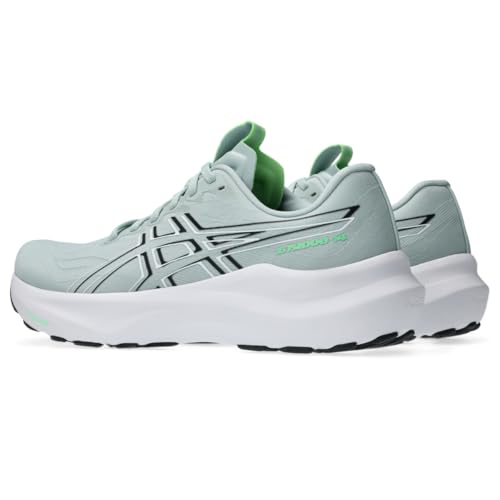
Know what shoes cannot solve
A sudden jump in running load
New shoes and a new schedule at the same time make it hard to tell what the body is responding to. Keep early runs short and familiar, especially after a break. The article on starting with a lower injury risk explains why gradual time, frequency, and effort matter even in excellent shoes.
A frequency the body has not recovered from
A shoe cannot create recovery time between sessions. If soreness is accumulating, consider the pattern of days as well as the pair on your feet. A practical look at how often to run for health can help separate a schedule problem from a footwear problem. Consistency means finding a rhythm you can repeat, not filling every free day with mileage.
Pain that needs attention beyond the shoe rack
Knee discomfort can involve more than impact or shoe type. The article on common reasons knees hurt after running offers a wider set of questions, but it is not a diagnosis. Stop and seek appropriate medical care when pain is severe, follows a fall or twist, comes with marked swelling or inability to bear weight, or persists and affects daily activity.
For a practical beginner example, the NHS running plan uses three sessions a week with a rest day between runs. This gives recovery a place in the schedule; it is a starting structure, not a guarantee against injury or a requirement that every runner follow the same frequency.
A routine built around motivation alone
A comfortable pair can make the door easier to open, but habits still need a realistic place in the week. Once the shoe stops being the obstacle, building running consistency without waiting for motivation is the more useful next subject. Good footwear should support that ordinary pattern, not demand hero workouts to justify the purchase.
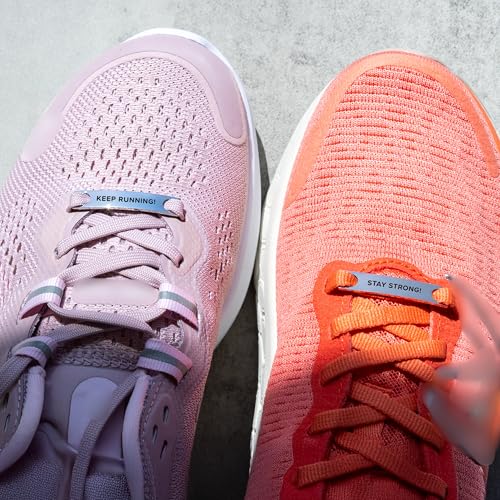
Stop the shoe test if pain worsens, changes normal walking, or numbness continues after removing the shoe, and seek advice if symptoms persist. For knee pain specifically, seek urgent medical advice if the knee is very painful, cannot bear weight, is badly swollen or misshapen, locks or gives way, or becomes hot and red with fever. The NHS lists these warning signs in its knee pain advice; knee pain that does not improve within a few weeks also needs assessment.
Clear answers about running shoes for health
What makes a good running shoe for health?
A good health-first running shoe fits securely without squeezing, leaves functional toe room, feels comfortable from the start, and remains steady at a normal easy pace. It should suit the current route and routine. Price, softness, and performance features are secondary to fit, comfort, and a predictable ride.
Should running shoes feel tight at first?
They should feel secure, not tight. The heel and midfoot can be held while the toes still have room to move. Sharp pressure, tingling, numbness, toe contact, or a need to crush the laces are reasons to try another size, width, shape, or model rather than waiting for pain to break the shoe in.
Is more cushioning healthier for knees?
Not automatically. More cushioning may feel better when pavement feels harsh, but the shoe still needs to feel stable and controllable. Knee comfort is also affected by training load, recovery, previous activity, and other factors; no amount of foam can promise to prevent or cure knee pain.
Do beginners need stability shoes?
Many beginners do not. Stability is worth comparing when the landing feels wobbly, the foot feels hard to control, or very soft neutral shoes feel unstable. Added support should feel naturally steady rather than rigid or forceful. A stable neutral daily trainer may already provide enough control.
Can I start running in the shoes I already own?
Possibly. For short, easy walk-run outings, current athletic shoes may be adequate when they fit, grip the surface, feel stable, and are not badly worn. A dedicated running shoe becomes more useful when the existing pair creates a clear problem such as toe pressure, heel slip, harshness, instability, or unreliable traction.
How long should running shoes last?
There is no single safe mileage that applies to every shoe and runner. Watch for a combination of changes: compressed or uneven foam, worn traction, a damaged upper, new instability, or a loss of the comfort the pair normally provided. Replace the shoe because its function has changed, not only because an app reached a round number.
Are racing or minimalist shoes unhealthy?
No shoe category is universally unhealthy, but specialized designs are rarely the simplest first choice for a health-focused beginner. Racing shoes may use aggressive geometry, while minimalist shoes shift more work to the feet and lower legs and require gradual adaptation. A regular daily trainer is usually easier to assess and repeat.
Choose the shoe you can forget about
- Fit the heel and midfoot securely while leaving useful room at the toes.
- Judge cushioning together with control, not by softness alone.
- Test one new variable on a short, familiar, easy run.
- Treat persistent or concerning pain as more than a shoe-shopping problem.
The practical answer to what makes a good running shoe for health is not a brand, price, or dramatic technology. It is a shoe that fits the individual foot, feels comfortable without a painful break-in period, stays predictable at an easy pace, and has a clear job in the routine you already have.
Once the pair passes those checks, the best sign may be how little you think about it. The heel is not slipping, the toes are not negotiating for space, and the platform is not demanding attention. The shoe becomes ordinary equipment for an ordinary run – and that quiet repeatability is far more useful to long-term health than a feature you have to keep convincing yourself to enjoy.