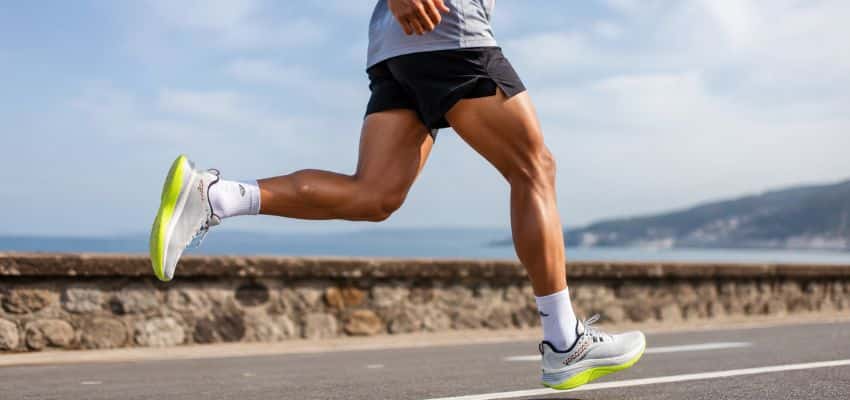
You start running to feel healthier, but after a few runs your knees begin to complain.
It is tempting to search for one shoe that will make knee pain disappear. A smarter starting point is to ask what your shoes are changing: do your landings feel harsh, does your stride feel hard to control, or are you simply doing more than your body is ready for? This guide uses running shoes as examples of those ideas, not as medical fixes.
- How shoes can make running feel harsher or more stable
- When cushioning matters more than support
- When guided support may make sense
- Why some beginners should not buy new shoes yet
If knee pain is sharp, increasing, lasting, or affecting daily life, do not treat new shoes as the main fix. Reduce your running load and consider asking a qualified professional. Shoes can support a better running habit, but they should not be used to ignore clear pain signals.
Can Running Shoes Make Knee Pain Feel Worse?
Knee discomfort can be affected by running load, shoes, surface, recovery, strength, and how quickly you increased your training.
Beginners often change several things at once, so it is rarely useful to blame only one body part or one product.
A better-fitting shoe may make running feel less harsh or more stable, but it should not be treated as a cure.
Shoes can change comfort and control, while pain can also involve training habits and recovery.
Softness only helps if the shoe still feels controlled under your stride.
A very soft shoe can feel comfortable while standing but wobbly once you start running.
Is Your Knee Discomfort More About Impact or Control?
-
Harsh landing feelIf every step feels jarring, especially on pavement or during short easy runs, cushioning may be the first shoe feature to understand.Look forCushioning that makes easy running feel less sharpAvoidAssuming maximum softness is always better
-
Unstable or drifting strideIf your foot or leg feels harder to control as you get tired, a shoe with guided support may be more useful than extra softness alone.Look forSupport that feels natural and steadyAvoidA shoe that feels like it is forcing your foot
-
Mild or inconsistent discomfortIf the pattern is unclear, a balanced daily trainer can be easier to learn from than an extreme shoe.Look forModerate cushioning with some guidanceAvoidBuying a highly specialized shoe too early
-
Pain that increases or lingersIf discomfort becomes clearer over time, the first step is usually reducing load, not upgrading gear.Look forShorter, easier runs and more recoveryAvoidUsing shoes to push through pain
If your main issue is impact, it may help to read more about cushioned shoes for impact-related discomfort. If the run feels less controlled, the more relevant next step may be stability shoes for a less controlled stride. Either way, the shoe should solve a real running obstacle, not just make you feel safer because it has a stronger label.
If Running Feels Harsh, Look at Cushioning First
Cushioning should soften landing without making you unstable
-
Comfort at easy paceMost beginners are not running fast workouts. The shoe should feel comfortable while walking, jogging, and running slowly.Look forA smooth feel during short easy runsAvoidShoes that only feel good when you speed up
-
Controlled landingThe midsole should soften the landing without making your foot feel like it is wobbling.Look forSoft but centered underfoot feelAvoidA marshmallow feel that makes your stride inconsistent
-
Repeatable comfortA good beginner shoe should still feel predictable after several short sessions, not only during the first try-on.Look forConsistent comfort over multiple easy runsAvoidA shoe that quickly feels flat, sloppy, or distracting
-
Fit before foamCushioning cannot help much if the shoe rubs your heel, squeezes your toes, or feels loose through the midfoot.Look forSecure fit with toe roomAvoidBuying softness while ignoring fit
More cushioning is not always the answer
More foam may feel softer, but it also needs to feel stable and natural while running.
Some beginners like a plush ride, while others feel less controlled in very soft shoes.
A cushioned shoe may make landings feel less harsh, but pain should still be treated as feedback.
Training load, recovery, surface, and strength can matter as much as the shoe.
A balanced cushioned trainer is often easier to start with than choosing the most extreme option.
Beginners usually need repeatable comfort more than a dramatic shoe feel.
Softer landings with ASICS Gel-Nimbus 27

ASICS Gel-Nimbus 27 is included as an example of a plush daily trainer for beginners who feel every landing too sharply. It can help show what impact comfort looks like in practice, but it should not be treated as a knee-pain fix.
- Strong cushioning reference
- Comfort-focused daily trainer
- Useful for harsh landing feel
- Simple enough for easy runs
- May feel too soft for some
- Not a fix for knee pain
- Less direct support than stability shoes
If Your Stride Feels Unstable, Look at Support
Support should guide your stride without forcing it
-
Stable baseThe shoe should feel predictable when you walk, jog, and run slowly, especially as fatigue builds.Look forA calm platform underfootAvoidA narrow or twitchy feel
-
Natural guidanceSupport should feel like gentle help, not like the shoe is pushing your foot into an uncomfortable position.Look forGuidance that feels normalAvoidRigid support that feels restrictive
-
Daily comfortA supportive shoe still needs to feel comfortable enough for regular easy runs.Look forSupport plus everyday comfortAvoidChoosing support while ignoring comfort
-
Fit with your strideNeutral runners may not enjoy strong support. The right shoe should feel useful, not intrusive.Look forA steady feel that matches your movementAvoidBuying stability only because the label sounds safer
Stability does not mean medical correction
Many supportive daily trainers are simply designed to make the ride feel more guided and predictable.
A beginner may benefit from a steadier platform without needing to think of the shoe as medical equipment.
A supportive shoe may change how steady your stride feels, but it cannot promise to correct movement or pain.
Movement patterns can involve strength, fatigue, running load, and habits, not just footwear.
A slightly more structured shoe can be more useful than a lighter one if it feels easier to control.
For many beginners, repeatable comfort matters more than saving a small amount of weight.
More guided support with Brooks Adrenaline GTS 25
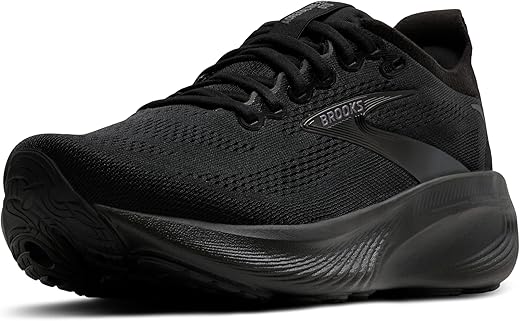
Brooks Adrenaline GTS 25 is useful here because it represents a supportive daily trainer rather than a speed-focused shoe. It can be a helpful reference if your main issue is feeling unstable, but it should not be viewed as a guaranteed solution for knee pain.
- Guided support reference
- Stable daily running feel
- Useful when stride feels uncontrolled
- Comfort-focused support design
- May feel too supportive for some
- Firmer than plush trainers
- Not a cure for knee pain
If You Are Not Sure, Start With Balanced Guidance
A balanced shoe can reduce guessing
- You may not know the cause yet Early discomfort is not always easy to read. A balanced shoe avoids assuming the answer is only softness or only support.
- Extremes can distract you Very plush shoes and strong support shoes can both be useful, but either one can feel wrong if it does not match your stride.
- Fit still decides a lot A balanced shoe is only helpful if the heel, midfoot, and toe box feel calm during easy movement.
- Load still matters If pain continues, the next step is reducing running stress, not adding more features.
Balanced does not mean perfect for everyone. It means less extreme while you are still learning what your body responds to.
If your budget is limited or you are still testing the habit, you can also compare budget-friendly running shoes for knee discomfort. The key is not to buy the cheapest shoe or the most expensive shoe. It is to buy only when the shoe solves a real obstacle.
Balanced guidance with Saucony Guide 18
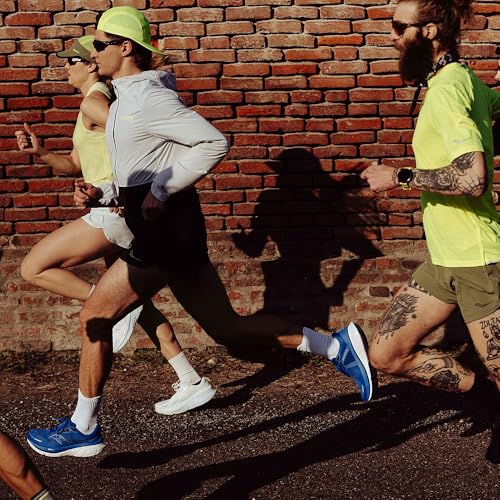

Saucony Guide 18 is included as an example of a daily trainer with guidance for runners who are not sure whether cushioning or support matters more. It shows a middle-ground approach, but fit and comfort still matter more than the category name.
- Middle-ground guidance example
- Less extreme shoe feel
- Useful while learning needs
- Daily-trainer purpose
- Not as plush as Nimbus
- Not as support-focused as Adrenaline
- Still depends on fit
What If You Are Heavier or Standing All Day?
- Durable cushioning may matter If you are heavier or spend many hours on your feet, a shoe that keeps its comfort over time may be more useful than a shoe that only feels soft at first.
- A stable base may matter too Extra cushioning without a steady platform can feel less controlled for some beginners.
- Bulky is not always better A thicker shoe can feel comfortable, but it can also feel clumsy if it does not match your stride.
- Pain still changes the decision If knee pain grows clearer, the first move is to reduce running stress rather than keep testing shoes.
Think about your whole day, not only the twenty minutes you spend running.
If body weight, long standing hours, or tired legs are part of the picture, it may help to read more specific shoe considerations for heavier beginners with knee discomfort. That does not mean you need a special shoe immediately. It means your daily context should be part of the decision.
Running Shoes vs Walking Shoes for Knee Pain
Walking comfort and running comfort are not the same because running adds repeated impact and a different motion.
A shoe can feel fine for daily walking but less stable or less comfortable once you start jogging.
They can be fine for walking or very short habit-building sessions, especially if you are not running yet.
Starting with walking can be a smart way to build consistency before adding more running impact.
You may not need to buy immediately if your current shoes feel comfortable and your sessions are short, but running shoes become more worth considering as running becomes regular.
The more often you run, the more repeated impact and fit details start to matter.
How to Choose Shoes When Your Knees Feel Sensitive
A simple fit-and-feel checklist
-
Try shoes later in the day
Feet can feel slightly larger after walking or standing. Trying shoes later can give you a more realistic fit check.
-
Check toe space
Leave a little room in front of your longest toe so your foot does not hit the front when running downhill or when tired.
-
Notice heel hold
The heel should feel secure without rubbing. A slipping heel can make you change how you run.
-
Walk and jog slowly first
A shoe should feel calm at the easy pace you actually use, not only when you speed up in the store.
-
Stop if pain changes or increases
A new shoe should not encourage you to push through sharper or more noticeable pain.
-
Track several short runs
Write a simple note after each run: harsh, stable, tight, rubbing, or comfortable. Patterns are more useful than one first impression.
A shoe does not need to feel exciting. It needs to feel comfortable, predictable, and easy to repeat.
Shoe terms beginners should not overthink
Heel-to-toe drop
The height difference between the heel and forefoot. Some runners notice it, but beginners usually do better by focusing on comfort first.
Midsole
The cushioning layer under your foot. It affects softness, firmness, and how stable the shoe feels.
Stability
A design approach that gives the shoe a more guided or supportive feel. It should feel helpful, not forced.
Stack height
How much material sits under your foot. Higher stack can feel softer, but it can also feel less grounded for some runners.
Even a comfortable shoe cannot make up for doing too much too soon. When your knees feel sensitive, it is worth thinking about how often your body can handle running, not just which model you should buy.
Who Does Not Need New Running Shoes Yet?
- Pain is sharp, increasing, or lasting This is not the moment to solve the problem through shopping. Reduce load first and consider professional guidance.
- You recently increased running quickly If you added more distance, more speed, or more running days at once, training load may be the bigger issue.
- Your current shoes still feel comfortable If your shoes feel stable, fit well, and your runs are short, you may not need to replace them immediately.
- You have not tested the habit yet A few short sessions can teach you what actually bothers you before you spend money.
- You are buying out of fear Gear is most useful when it removes a clear obstacle, not when it becomes a way to calm anxiety.
You do not need to buy new shoes just because a search result says knee pain. Buy only when the shoe is likely to solve a real, specific problem.
FAQ
Can the wrong running shoes cause knee pain?
Shoes can make running feel harsher, less stable, or less comfortable, which may contribute to knee discomfort for some beginners. But knee pain can also come from training load, recovery, surface, strength, and doing too much too soon.
Do cushioned shoes help knee pain?
Cushioned shoes may help running feel less jarring if impact is the main issue. They are not a cure for knee pain, and too much softness can feel unstable for some runners.
Are stability shoes better for knee pain?
Stability shoes may make sense if your stride feels hard to control or your landing feels unstable as you get tired. They are not automatically better for every beginner, especially if you already feel comfortable in neutral shoes.
Can running shoes fix knee pain completely?
No. Shoes can support comfort and consistency, but they should not be treated as a complete solution. If pain is clear, lasting, or increasing, reduce running load and consider professional advice.
Should beginners run through mild knee pain?
Mild, short-lived discomfort is different from sharp or increasing pain. If the pain changes your stride, gets worse, or affects daily life, stop treating it as something to push through.
Are walking shoes good enough for running?
They may be fine for walking or very short beginner sessions, but regular running usually benefits from shoes designed for repeated running impact and a more secure fit.
How often should I replace running shoes if my knees hurt?
Do not replace shoes based only on knee pain. Look for worn midsoles, uneven wear, loss of comfort, new rubbing, or a shoe that no longer feels stable. Also check whether your running volume increased too quickly.
The Better Goal Is Not Pain-Free Gear
- Choose cushioning when running feels harsh, not just because softness sounds safer
- Choose support when your stride feels hard to control, not because stability sounds medical
- Choose balanced guidance when you are unsure and want to avoid extremes
- Do not buy new shoes if pain is the signal to reduce load first
The best running shoe for a beginner with knee discomfort is not the shoe with the strongest promise. It is the shoe that matches one clear problem: harsh impact, unstable stride, poor fit, or worn-out comfort. ASICS Gel-Nimbus 27, Brooks Adrenaline GTS 25, and Saucony Guide 18 are useful references for three different ways a shoe can support easier running. But none of them replaces patient training, enough recovery, and listening when pain becomes a real signal.