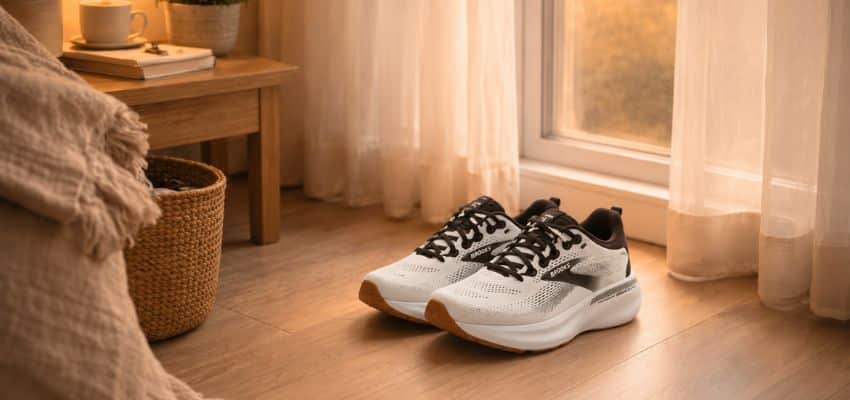
Starting to run at a higher body weight can make shoe problems show up faster. A pair that feels fine at first may start feeling flat, unstable, or less supportive before your running habit has had time to settle.
Shoes can help your runs feel more comfortable and predictable, but they cannot diagnose or cure knee pain. This guide is for beginners who want to choose running shoes more carefully: not the softest shoe, not the most expensive shoe, but the shoe that holds up better under your body, pace, and current routine.
- When shoes may be worth changing
- Why softness alone is not enough
- When you need more structure or guidance
- When you should pause before buying another pair
Do Not Let New Shoes Hide a Training Load Problem
Shoes may be part of the picture, but knee discomfort can also show up when you add distance, speed, hills, or running days faster than your body is ready for.
Before buying another pair, check whether the discomfort started after a recent training jump. If that sounds familiar, read Why do my knees hurt after running? before assuming shoes are the only issue.
A better shoe should not be used as permission to push through discomfort. If pain is increasing, lasting, sharp, or affecting normal walking, reduce the load first.
A safer beginner habit usually comes from smaller progressions, easier pacing, and enough recovery. For that foundation, see How to start running without getting injured.
Training load deserves attention before shoe shopping. In a small randomized trial, novice runners with obesity who began with 3 km rather than 6 km per week experienced fewer overuse symptoms in the per-protocol analysis.
Higher body weight can make cushioning and stability more noticeable, but that does not mean every heavier beginner needs a maximum-control shoe.
The better question is what fails first for you: does the shoe feel flat, wobbly, narrow, harsh, or poorly fitted? That answer should guide the shoe choice later in the article.
Body weight alone does not tell you which cushioning level to buy. In a randomized cushioning trial, softer shoes reduced overall injury risk compared with harder shoes, but the apparent protective effect was found in lighter runners – not in the heavier group. Comfort, fit, stability, running history, and current training load still need to be considered together.
Why Soft Shoes Can Still Feel Wrong Under Load
Cushioning can feel different once you start moving
- Standing comfort is only the first check A shoe that feels pleasantly soft in the store may feel less controlled once you begin walking or jogging.
- Test comfort and control together During a short run-walk test, notice whether the cushioning still feels comfortable without making the platform feel unstable.
- Do not judge durability by softness or price alone. What matters is whether the shoe continues to feel comfortable, centered, and secure during your normal easy sessions.
For heavier beginners, the better question is not only “Is this shoe soft?” It is also “Will this shoe still feel protective after regular easy runs?”
A soft platform can become wobbly when you get tired
-
Centered landing
Your foot should feel like it sits inside the shoe’s platform, not on top of something narrow or tippy.
Look forA base that feels steady when you walk, jog slowly, and shift weight from side to side.AvoidA shoe that feels soft but lets your foot roll or tilt too easily. -
Controlled softness
Cushioning should soften the landing without making every step feel unpredictable.
Look forA ride that feels comfortable and controlled at slow beginner pace.AvoidChoosing the plushest shoe if it makes your foot feel less stable. -
Fatigue check
A shoe can feel fine at the start but less stable near the end of a run-walk session. That matters because form often gets less controlled when you are tired.
Look forA shoe that still feels steady after several minutes of easy jogging or walking.AvoidJudging the shoe only by how soft it feels when standing still.
When a Normal Daily Trainer Is Enough
You want a steady shoe before choosing more support
- Start with the problem you can feel If your current shoes feel flat, flimsy, loose, or unreliable, you may not need a highly specialized shoe yet. You may simply need a real daily trainer that feels more consistent.
- Do not overbuy too early A maximum-cushion or maximum-support shoe makes more sense after you know why you need it. For many beginners, a steady neutral trainer is a cleaner first comparison.
- Use it as your baseline A normal daily trainer can help you notice whether your next need is more cushion, more guidance, more room, or more durability.
This section is about avoiding unnecessary upgrades. The goal is not to buy less shoe forever, but to avoid buying more shoe than your current problem requires.
ASICS Gel-Cumulus 26 shows what this simple baseline can look like
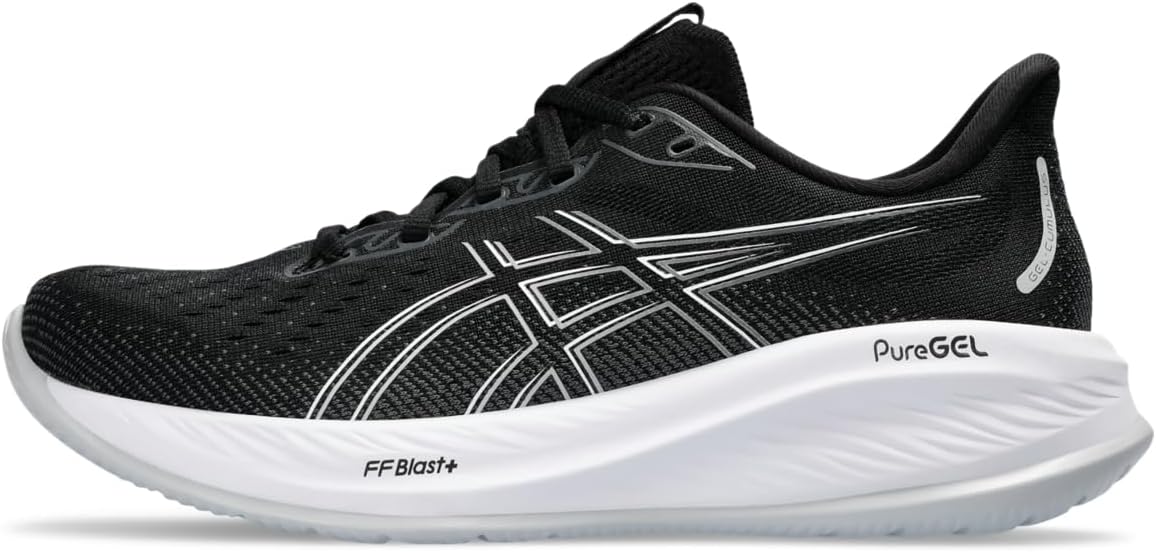
The ASICS Gel-Cumulus 26 is used here as an example of a neutral daily trainer for heavier beginners who want a more reliable feel before moving into more specialized shoes. It may make sense if your current pair feels worn down, unstable, or too flimsy, but you do not clearly need strong guidance or max cushioning yet.
- More reliable than flimsy casual sneakers
- Simple enough for beginner easy runs
- Useful before choosing specialized support
- Not a maximum-cushion shoe
- Not a strong stability model
- May feel too normal if you need more structure
What “Stable Under Load” Should Feel Like
Your foot should feel centered on the platform
-
Stand and shift your weight
Your foot should feel like it is sitting inside the shoe’s base, not balancing on a narrow platform.
-
Walk before you jog
Pay attention to whether the shoe keeps you moving straight ahead or if one side feels like it wants to collapse or tilt.
-
Jog slowly for a few minutes
At an easy beginner pace, the shoe should still feel predictable. You should not feel like you are fighting the platform with every step.
This is not about finding the softest shoe. It is about finding a shoe that still feels steady when your full weight is moving through repeated steps.
The upper should hold your foot without squeezing it
-
Heel lockdown
The heel should stay in place without needing the laces pulled painfully tight.
Look forA secure heel that does not lift much when walking or jogging slowly.AvoidA shoe that feels okay only after over-tightening the laces. -
Midfoot hold
The middle of the shoe should keep your foot from sliding side to side while still feeling comfortable.
Look forA snug, even hold through the midfoot without sharp pressure.AvoidA loose upper that lets your foot move inside the shoe on each step. -
Toe room
Your toes should have enough space to spread slightly as your feet warm up during a run-walk session.
Look forRoom at the front and sides without the shoe feeling sloppy.AvoidA cramped forefoot that you hope will stretch out after a few runs.
Whatever cushioning category you choose, fit still comes first. NHS footwear guidance recommends roughly a thumb’s width beyond the longest toe, adjustable midfoot lacing, and heel padding that helps hold the foot in place.
When Cushioning Needs More Structure
Your shoe feels soft at first but unstable later
- Softness can change once you are moving A shoe may feel comfortable when standing still, but less controlled after several minutes of walking or easy jogging.
- Under-load stability matters For heavier beginners, the midsole and platform need to keep the foot centered instead of letting it sink, tilt, or wobble as fatigue builds.
- Structure should not feel harsh The goal is not a stiff shoe. The goal is cushioning that feels supported enough to stay predictable during slow beginner runs.
This is the middle ground between a normal daily trainer and a very firm support shoe: more cushion than basic, but more structure than a soft, wobbly ride.
Saucony Hurricane 24 shows how cushioning and structure can work together
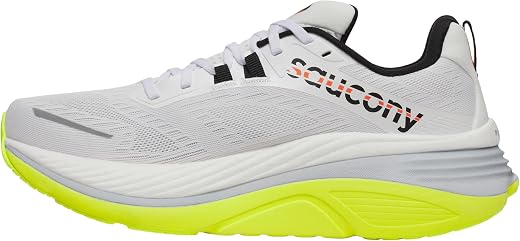
The Saucony Hurricane 24 is used here as an example of cushioning with more built-in structure. It may make sense for heavier beginners who like a softer feel but still need the shoe to stay steady under repeated easy steps.
- More cushioned than a basic daily trainer
- Steadier feel than many very soft shoes
- Useful when comfort and control both matter
- More shoe than some beginners need
- May feel bulky if you prefer lighter trainers
- Not necessary if neutral shoes already feel stable
When You Need Guidance More Than More Foam
Your stride gets less controlled near the end of easy runs
- Fatigue can make wobble more obvious Some heavier beginners feel fine at the start of a run-walk session, then notice more side-to-side movement or less control near the end.
- More foam may not solve control If the problem is that your landing gets less steady, adding a thicker or softer shoe may make the ride more comfortable but not more controlled.
- Guidance should feel moderate The goal is not to force your stride. A useful support feel should help the shoe stay predictable when your form starts to fade.
This is the point where you stop asking only “Do I need more cushioning?” and start asking “Do I need the shoe to guide my landing a little more?”
You want support without moving into maximum-control shoes

The Brooks Adrenaline GTS 24 is used here as an example of a supportive daily trainer for heavier beginners who feel less controlled as they get tired. It may make sense when you want a steadier guided feel, but do not clearly need a maximum-control shoe.
- More guidance than a neutral daily trainer
- Less extreme than maximum-control shoes
- Useful when fatigue makes landings less steady
- Not as plush as max-cushion options
- May feel structured if you prefer neutral shoes
- Not necessary if your stride already feels controlled
When Max Cushioning Makes Sense for Hard Pavement
Your knees feel impact more than wobble
- Harsh ground feels like the main problem This situation is different from feeling unstable. Your foot may feel reasonably controlled, but pavement still feels jarring during short easy runs.
- More cushion can make sense here A higher-cushion shoe may help easy road runs feel less harsh, as long as the shoe still feels steady under your full step.
- Soft still needs control For heavier beginners, max cushioning should not feel like standing on something narrow or unstable. The ride should feel protective without making your landing harder to manage.
Use max cushioning for the problem it is best suited for: reducing harsh ground feel. If your main issue is wobble or inward roll, guidance or structure may matter more than extra foam.
New Balance Fresh Foam X More v6 shows when extra cushion has a clear job

The New Balance Fresh Foam X More v6 is used here as an example of a max-cushion road shoe for heavier beginners who feel impact more than instability. It may make sense when hard pavement feels harsh, but it should still feel centered and controlled when you jog slowly.
- More underfoot protection for hard surfaces
- Useful when impact feels louder than wobble
- Good example of comfort-focused road cushioning
- Not the first choice for strong inward roll
- May feel like too much shoe for some beginners
- Extra foam is not a fix for worsening pain
Signs Your Shoes Are Breaking Down Too Fast
- The same easy route starts feeling harsher If your normal short run suddenly feels more jarring without a change in pace, distance, or surface, the cushioning may be losing its useful feel.
- The shoe feels tilted or uneven Uneven wear can make the platform feel less centered. For heavier beginners, that small tilt can become more noticeable as fatigue builds.
- You keep tightening the laces more than before If the upper no longer holds your foot securely, you may feel more sliding, heel lift, or side-to-side movement inside the shoe.
- Knee discomfort shows up earlier than it used to If discomfort appears sooner on the same routine, check both your shoes and your recent training load before pushing through more mileage.
A shoe does not need to look destroyed before it stops feeling helpful. Pay attention to changes in comfort, stability, and lockdown on routes you already know.
Who Should Wait Before Buying Another Pair?
You do not need to buy another pair immediately if your current shoes still support short, easy runs and your bigger issue may be training load, recovery, or pain that needs attention.
Seek medical advice promptly when knee pain is severe or the knee cannot bear weight, becomes badly swollen, locks, gives way, changes shape, or becomes hot and red with fever. These are warning signs covered in the NHS knee-pain advice, not problems to solve by trying another shoe.
Choose the Shoe That Holds Up Under You
- Do not use new shoes to hide a training-load problem
- Choose structure when soft shoes feel unstable
- Choose guidance when your stride gets less controlled
- Choose max cushioning only when impact is the main issue
For heavier beginners with knee discomfort, the better shoe is not always the softest one or the most supportive one. It is the shoe that stays steady under your body, your easy pace, and your current routine. If you are unsure whether you need a general knee-pain shoe, start with the main hub; if your issue is clearly softness, support, or price, compare this with the cushioned picks, stability-focused guide, or budget guide before buying.