What pace should beginners run? Start at a beginner easy pace that leaves room for ordinary speech and a controlled finish.
At the park gate, a new runner often clicks start and surges ahead, pleased by the bright number on the watch. A few minutes later, shoulders creep upward, breathing turns ragged, and the return trip becomes a grim shuffle. The watch number was impressive; the run was not repeatable.
A good running pace for beginners may feel surprisingly slow. It is personal, not borrowed from a friend, an app, or a pace chart. Hills, heat, poor sleep, wind, and an ordinary tired day can all change the number while the effort remains right. The useful test is whether the runner can speak comfortably, keep the upper body relaxed, and finish feeling controlled rather than emptied out.
- A calm start and steady finish matter more than a fast first minute.
- The watch records the pace; breathing and posture decide whether it is easy.
What a beginner easy pace feels like
- Conversational pace
A conversational running pace leaves room for a full, ordinary sentence without gasping halfway through it. Breathing is noticeable, but not frantic.
- Relaxed form
Shoulders sit low, hands remain soft, and the jaw is not clenched. The stride does not need to look elegant; it simply should not feel like a fight.
- Effort in reserve
The runner feels another gear is available but sees no reason to use it. At the finish, some energy remains for the walk home and the rest of an ordinary day.
- A changing watch number
The same easy effort may produce a different minutes-per-mile or minutes-per-kilometer number on hills, in heat, against wind, or after poor sleep. That change does not make the outing worse.
- Walking as an adjustment
When even a gentle jog makes speech strained, a brief walk can restore control. Walking is not a failed pace; it is one way to keep the whole outing easy enough to repeat.

Choose running pace by effort, not a chart
Use speech, breathing, posture, and the finish to judge the effort. One beginner may jog comfortably at a pace that feels demanding to another; both can be choosing well.
A chart cannot see fitness, terrain, weather, sleep, stress, or the headwind waiting around the corner.
Let the number slow on hills, warm days, uneven ground, or tired legs while keeping the effort conversational.
The number may stay fixed while breathing, muscle demand, and tension climb. The first minutes can also feel unusually loud while the body settles; this older explanation of why running feels hard at first helps separate an awkward beginning from a pace that keeps getting harder.
Use several comparable outings before drawing a conclusion. If your pace seems unchanged despite consistent training, knowing what to do when running progress feels slow can help you judge the larger pattern without turning every easy run into a speed test. Holding back on some runs may support consistency even when a single pace reading does not look impressive.
Weather, route, fatigue, and measurement noise can move a single result. Progress is easier to see in patterns than in one flattering screen.
Use the talk test for running
-
Words come out whole
An easy jog leaves room for a full, ordinary sentence – something like describing the route or the day – without grabbing for air midway through. Breathing may be noticeable, but it should not feel urgent.
Signs the pace is easyComplete sentences and steady, unhurried breathing.Signs to ease backBroken phrases, gasping, or needing silence to recover. -
The upper body stays quiet
At a conversational running pace, shoulders sit loose, hands are soft, and the face is not clenched into effort. The stride need not look elegant; it simply should not feel like a fight.
Signs the pace is easyRelaxed jaw, shoulders, hands, and an unforced rhythm.Signs to ease backHunched shoulders, tight fists, or a desperate push forward. -
Leave something in reserve
Jog easily for a few minutes, pause for a short walk when control slips, then resume more gently. The right effort carries a clear feeling that it could continue awhile rather than ending in survival mode.
Signs the pace is easyA controlled effort with energy still available.Signs to ease backTrying to prove fitness by holding a pace that quickly turns hard. -
Read the finish, then the watch
Afterward, the pace was probably suitable when breathing settles readily and the runner feels worked but not wiped out. A watch can record the number for later comparison, but it cannot account for a hill, heat, or a tired day while the run is happening.
Signs the pace is easyRecovery that feels manageable; pace data used as a note.Signs to ease backLetting a watch number override body signals.
The CDC talk test describes moderate effort as being able to talk but not sing, while vigorous effort allows only a few words before pausing for breath.
Comfortable conversation is a practical cue for these easy outings, not a universal pace number or proof that continuing is medically safe. Do not force a sentence into one breath to pass the check.
Catch pace creep early
An easy run can quietly speed up. A runner starts comfortably, feels encouraged by a clear stretch of path or a passing runner, then notices that each breath is doing a little more work.
By the time the effort feels obviously hard, the body may already be trying to hang on rather than settling into a repeatable rhythm.
Notice the early signals
Pace creep often appears before outright exhaustion. Watch for:
- Speech shortening from full sentences to clipped replies
- Breathing becoming noisy or urgent instead of steady
- Tense shoulders, clenched hands, or a strained face
- A growing urge to check the finish point, bargain with the distance, or prove something
- Footsteps that feel heavier and less smooth
Ease off before the run turns hard
These are not failures; they are useful information. The skilled move is to ease the jog down at the first sign, not to wait until it becomes a survival effort.
If speech does not return after slowing, a brief walk break can restore control. Walking for a moment is not quitting the run – it is choosing the effort that makes the next easy outing more likely.
Let the finish confirm the adjustment
Afterward, recovery offers the final clue. A suitable pace should leave the runner tired but broadly normal again before long, rather than flattened for the rest of the day.
If the effort is simply harder than intended, slow down or walk and reassess before deciding whether to jog again. Resume only when comfortable and without concerning symptoms; there is no requirement to restart. Unusual or worsening breathlessness should not be treated as a pacing problem alone – the NHS breathlessness advice explains when medical help is needed.

Try one beginner easy pace
-
Begin below the pace that feels impressive
On a familiar, forgiving route, let the opening minutes feel almost comically gentle. The aim is not to defend a number, distance, or result; it is to notice what the body does before effort starts to climb. That restraint also matters later when running your first mile nonstop, because a hurried opening makes the remaining distance harder than it needs to be.
-
Check the running conversation
After a few minutes, say a full sentence while keeping the shoulders loose and hands unclenched. When words come out in pieces, breathing turns urgent, or posture begins to hunch, easing off immediately is the useful win.
-
Walk briefly when control disappears
A short walk is not a failed jog; it is a reset that keeps the outing calm. Resume only at a slower shuffle that restores easy speech and relaxed form. Whether you measure your runs by time or distance, calm effort matters more than either number. If you choose distance, using it without turning it into pressure helps keep the focus on manageable effort rather than chasing a target.
-
Finish with a small question
Later that day and the next morning, note whether the legs feel ordinarily used rather than flattened. Pace answers how gently to move; this older explanation of how long a beginner should run helps with the separate decision about total duration.
-
Repeat on a different day
A flat cool route may permit an easy jog that feels entirely different on a hill, in heat, or after poor sleep. Run the same checks again, backing off sooner when conditions change; the repeatable effort is the result.
Use recovery as another clue
A run can feel manageable in the moment and still ask too much of a new runner. The more useful verdict arrives later: walking home, climbing stairs, settling down for the evening, and waking the next morning.
An easy effort should leave some ordinary tiredness, not a sense of having been emptied out.
What normal recovery can look like
After an unfamiliar outing, some muscle tiredness or soreness may occur. Notice whether breathing settles and ordinary activities remain comfortable, but do not use a fixed recovery time as a pass-or-fail test for an easy pace.
If fatigue or soreness is greater than expected, review the whole session: duration, intensity, hills, heat, recent activity, sleep, and recovery. Slowing down or adding walking may help, but symptoms do not establish that pace was the only problem.
When tiredness is not the signal to push through
Stop exercising for concerning symptoms rather than testing a slower pace. Seek emergency help for severe difficulty breathing, inability to get words out, or a tight or heavy chest, as described in the NHS breathing warning signs.
The NHS palpitations advice also calls for emergency help when palpitations do not go away or occur with chest pain, shortness of breath, or feeling faint. Persistent pain, swelling, or symptoms affecting normal movement need assessment rather than another pace experiment.
Recovery is not a test of toughness. It is information to consider alongside the session and any symptoms – not confirmation that the pace was safe.
Could you take an ordinary walk today without unusual fatigue or discomfort? If not, reconsider the total workload rather than assuming pace alone needs changing. MedlinePlus exercise advice lists persistent tiredness, poorer performance, and sleep problems among possible signs of too much exercise; tiredness that continues after one to two weeks of rest needs medical assessment.
Use the watch as a notebook, not a coach
A watch can make a gentle outing look disappointingly slow. That is often the moment when a beginner presses a little harder, turns a relaxed jog into a strained one, and finishes wondering what went wrong. The more useful habit is to leave the screen alone while moving.
Afterward, the numbers can add context. They may show that the same comfortable effort was slower on a hill, in warm weather, or late in a tiring week.
Over several runs, a runner may also notice which routes and conditions make conversational jogging easiest. But a pace display cannot know whether sentences were smooth, shoulders were tight, or recovery will be poor tomorrow.
A simple rule holds up well: start slower than instinct suggests, keep speech comfortable, and adjust as soon as it is not. When a short sentence comes out in fragments, ease off; when that still does not restore control, take a brief walk and resume gently.
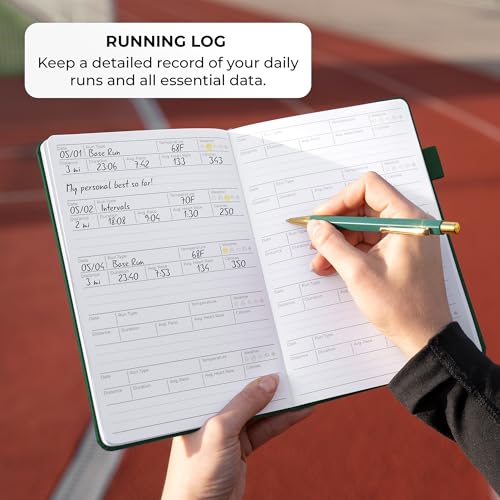
A route summary is only a record. Feeling settled afterward – and able to repeat the effort another day – is the result worth keeping. That habit belongs inside the beginner running plan framework, where today’s effort matters more than defending yesterday’s pace.
Clear answers about finding an easy running pace
What pace should beginners run?
There is no single minutes-per-mile or minutes-per-kilometer number that suits every beginner. Start slowly enough to speak a full sentence, keep the upper body relaxed, and finish with ordinary energy still available. Let the number change with hills, heat, wind, sleep, and current fitness.
What is a good running pace for beginners?
It is a pace that remains conversational, controlled, and recoverable across the outing. The runner should feel worked but not emptied out, and ordinary walking or daily activity should still feel manageable afterward.
How can I find a beginner easy pace without watching the screen?
Begin more gently than instinct suggests and say an ordinary sentence after a few minutes. Smooth speech, relaxed shoulders, soft hands, and breathing that is noticeable but not urgent are more useful clues than a live pace display.
What is a conversational running pace?
It is an effort that allows a complete sentence without gasping midway through it or needing silence immediately afterward. On a hill or warm day, maintaining that effort may require slowing down or walking briefly.
Does the talk test for running work on hills?
Yes, but the pace number will usually change. Let the hill slow the body enough to preserve speech and relaxed posture. The aim is to keep the effort easy, not to force the flat-route pace uphill.
What does choosing a running pace by effort mean?
It means adjusting speed according to breathing, posture, terrain, weather, fatigue, and recovery rather than holding one predetermined number. The watch can record what happened after the run; it does not need to control the run while it is happening.
Let easy feel ordinary
- Treat pace data as a pattern to review across outings, not a target to chase mid-run.
- A slower route summary can still represent a well-judged, useful easy run.
So, what pace should beginners run? Use the pace that remains conversational, controlled, and recoverable today. Let breathing and posture lead during the run; let the watch explain the conditions afterward.
The answer may look almost comically slow at first. That is fine. A calm outing that can be repeated has done more useful work than a fast opening followed by a long negotiation with the walk home.