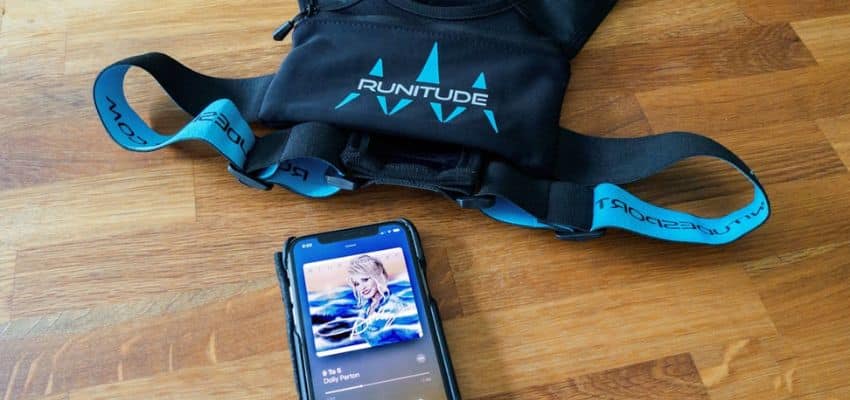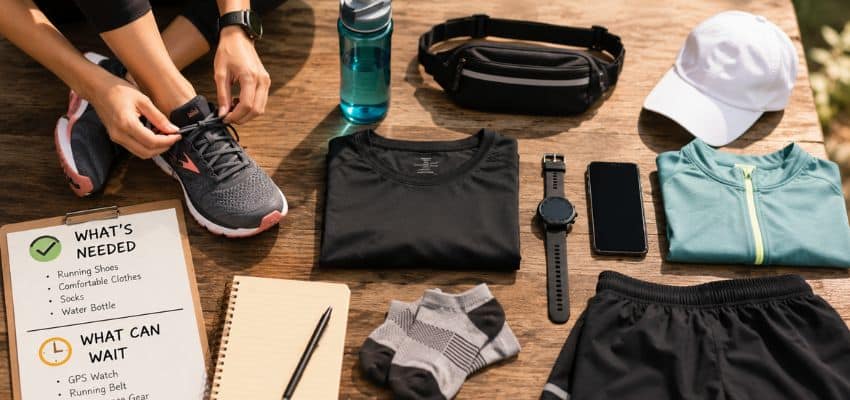
Your first run needs comfort, not a complete running wardrobe.
Choosing running gear for beginners becomes much easier when every item has to answer one question: What problem will this solve on my run? You may already own enough for a short, easy outing – a comfortable top, shorts or leggings that stay in place, securely tied shoes, and somewhere safe for one key.
The same practical approach applies to running clothes for beginners: begin with one comfortable outfit, test it in motion, and add another piece only when support, friction, or weather creates a real need.
Let the first few runs provide evidence. A waistband that slides, a phone that bounces, damp fabric that rubs, cold fingers, or a route that becomes hard to see gives you a practical reason to change something. Until a real need appears, expensive upgrades can wait.
- Use what already feels comfortable and secure.
- Add gear when it solves a repeated problem or suits a real condition.
- Test one change at a time instead of replacing everything.
What beginners genuinely need first
Start with what must work on the first run
Use a pair that feels secure during a brisk walk and short easy loop.
Choose a top and bottoms that become forgettable once you start moving.
Carry only what the outing genuinely requires.
Match the setup to the route, weather, and available light.
Run a three-step test with what you own
-
Move at home
Walk briskly, lift the knees, swing the arms, squat, and load the pockets exactly as you plan to use them. Look for slipping, pinching, bouncing, rubbing, or restricted movement.
-
Take a short familiar loop
Keep the first test close to home. Ten or fifteen easy minutes reveal more than a label, while still making it simple to turn back if the setup is wrong.
-
Change one thing
Retie, reposition, remove pocket weight, or swap one layer. Buy only when the same problem returns and a specific feature can reasonably address it.
A first outing is a test, not an exam. The aim is to learn what your body, route, and ordinary clothes actually require.
- Test the whole setup A phone can pull down a stable waistband, a longer shirt can cover a rubbing seam, and socks can bunch only after the foot warms.
- Separate a surprise from a pattern One loose lace may need retightening; a heel that slips on repeated outings deserves closer attention.
- Let repetition justify the purchase A problem that returns after a sensible adjustment is stronger evidence than one awkward first-day moment.
Use a short familiar route so that turning home remains easy if the setup feels wrong. If you notice heel movement, toe pressure, or rubbing from the shoes, check your running shoe fit before testing them on a longer outing.
For the fitting itself, AAOS fitting advice recommends trying both shoes toward the end of the day, wearing the socks used for the activity, and checking the fit with the laces tied.

The best running gear for beginners is the smallest setup that lets you move without constant distraction. The next sections show when a repeated annoyance, route, or weather condition makes an additional item worthwhile.
Fit and support that stay in place
- Movement Notice whether the waistband, hem, straps, or pockets shift once you begin running.
- Conditions Record whether sweat, distance, or loaded pockets make the problem worse.
- One-variable test Tighten a drawcord, redistribute pocket weight, or change the underlayer separately so the cause becomes clearer.
Comfortable clothing stays quiet; repeated tugging is useful evidence that the fit or setup needs attention.
Stop leggings from slipping before replacing them
When running leggings keep falling down mid-run, the cause may be sizing, waistband placement, stretched fabric, or weight in the pockets.
Replacing them without identifying the cause can produce a newer version of the same problem. Shorts and joggers deserve the same test: walk, squat, and jog briefly with the pockets loaded as they will be outside.
Find support without simply choosing the firmest bra
For runners who need breast support, learning how a running bra should fit matters more than choosing the firmest option.
The band should stay level, straps should not dig in, and support should remain stable through a few hops or jogging steps. Try the movement test before removing labels; pressure that already feels harsh indoors rarely becomes kinder several miles from home.
Use an underlayer only when it solves a clear problem
Beneath shorts or loose layers, the right running underlayer can add coverage, manage movement, or reduce skin contact without forcing you to replace the outer garment.
It is not automatically essential. First identify what bothers you – riding fabric, exposed skin, seams, or lack of support – because each points to a different length, fit, or construction.

Prevent friction before it ruins the run
Trace thigh chafing to its real source
Rubbing often starts at one contact point rather than throughout the outfit. Begin by finding the cause of thigh chafing: a seam, damp fabric, shorts that ride up, or repeated skin contact may each call for a different fix.
Note when it begins and inspect the exact area afterwards; that evidence is more useful than assuming every pair of shorts is wrong.
Prevent nipple chafing before distance magnifies it
Check where the skin is rubbing before changing the setup. Useful ways to prevent nipple chafing depend on whether the cause is fabric movement, a rough seam, moisture, or longer exposure.
A top that feels harmless for ten minutes may rub after sweat and repetition increase, so test changes on a shorter route before trusting them on a long outing.
Add an anti-chafing product only after checking fit
If the fit is otherwise sound, an anti-chafing product that stays put may provide a useful barrier. It should solve a known friction point, not disguise clothing that is plainly too tight, too loose, or badly placed.
-
Locate the friction
Identify the exact contact point instead of treating the whole outfit as the problem.
-
Check fit and seams
Correct riding fabric, rough construction, or obvious tightness before adding another product.
-
Consider moisture and distance
Notice whether sweat or longer exposure is what turns mild contact into irritation.
-
Test a barrier separately
Add an anti-chafing product only after the earlier causes have been checked, so you can tell what actually helped.
Changing one factor at a time produces evidence; changing five produces a mystery with better packaging.
The AAD chafing advice explains that irritation can come from skin rubbing against skin or clothing, and recommends petroleum jelly on problem areas such as the thighs or feet to help prevent it. This supports the barrier principle, not a claim that every anti-chafing product performs equally well.
Wash running clothes without shortening their useful life
Sweat, residue, and damp storage can make otherwise comfortable clothing smell, feel rough, or lose elasticity sooner. Follow straightforward washing habits for running clothes: check the care label, avoid leaving damp items compressed in a bag, and let them dry fully.
Stronger treatment is not automatically better when technical fabric or elastic may not tolerate it.

Carry essentials without bounce or distraction
A short loop close to home may require only one key, and a zipped pocket may handle it perfectly well. Carrying gear earns a place when an item swings, pulls clothing downward, becomes hard to reach, or risks falling out.
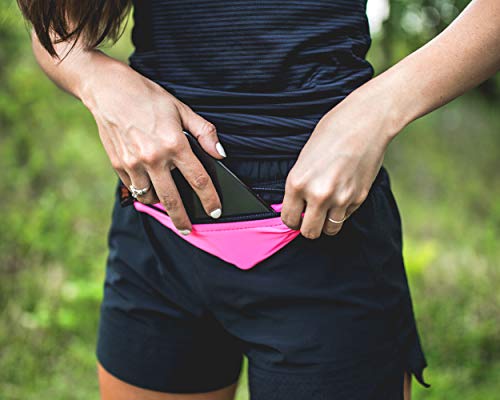
Carry a phone securely with the smallest workable option
If maps, music, or contact access matter, compare ways to carry a phone securely rather than copying someone else’s setup.
A snug zipped pocket may be enough; a slim belt becomes useful when clothing lacks storage. Test the phone in motion because its weight can change how an otherwise stable waistband behaves.
Fix a bouncing belt before buying another one
Before replacing a carrier, understand why a running belt keeps bouncing. Position, tension, capacity, and uneven loading can matter as much as the belt itself.
List the items before adjusting it: a carrier larger than the load may let objects move, while one that is overfilled can press into the body or strain its closure.
-
Security
The item stays enclosed through a jog, bend, and brief stop.
Look forA closure that remains shut in motion.AvoidOpen pockets that let a phone or key work upward. -
Stability
The load sits close to the body without swinging or pulling clothing down.
Look forA snug position and only the capacity you need.AvoidOversized or overfilled carriers. -
Access
An essential item can be reached without emptying everything else.
Look forA simple layout that matches what you carry.AvoidExtra compartments that add bulk without solving a problem. -
Protection
Sweat, rain, and sharp keys are kept away from the phone where needed.
Look forSeparation or a suitable protective pocket.AvoidLetting sharp objects rub against a screen or skin.
Keep keys secure, quiet, and away from the skin
Keys need their own simple decision. Carry only the key you need when it can be separated safely, keep sharp edges away from the skin and phone screen, and use a method that stops keys bouncing. Test the complete setup with a short walk and jog. Shifting, digging, or repeated tightening means the load or carrier needs adjustment.
Dress for heat, cold, wind, and rain
- Temperature is only the starting point Sun, shade, wind, rain, humidity, and outing length can change how the same clothing feels.
- Solve one weather problem Add or remove one practical layer so trapped heat, cutting wind, wet fabric, or cold hands do not dominate the run.
- Keep the first test reversible When uncertain, choose a short route and favor a light removable layer over several pieces you cannot carry comfortably.
Weather expands beginner running essentials only when the conditions you actually meet require it.
Build a practical outfit for a 40-degree run
The awkward middle range can make overdressing tempting. A guide to what to wear for a 40-degree run can help you decide whether a light top is enough or a removable layer makes sense.
Begin slightly cool rather than warmly bundled, and use a short route when testing a combination for the first time.
Block wind without stacking unnecessary warmth
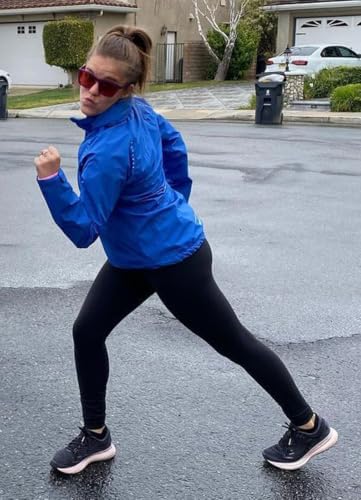
Wind is a separate problem from low temperature. If moving air cuts through an otherwise comfortable shirt, dressing for a windy run may mean choosing one light outer barrier rather than stacking several warm layers.
Check the wind direction and whether the return leg will expose damp clothing to a headwind.
Keep a hot-weather outfit simple and breathable
In warm conditions, heavy fabric and trapped sweat can turn a comfortable shirt into a distraction. A simple hot-weather running outfit should favor movement and breathability without pretending one fabric suits every runner.
Use shade, timing, route length, and access to water as part of the decision; clothing cannot make every hot condition sensible.
The CDC heat guidance recommends exercising during cooler hours, starting slowly, wearing lightweight clothing, and drinking water rather than waiting until thirsty. If you feel faint or weak, stop activity and get to a cool place. Changing the time or cancelling the outing may be more useful than buying another layer.
Choose rain gear by the problem wet weather creates
In rain, the important question is not whether you will get wet, but whether soaked clothing becomes heavy, cold, or abrasive. Practical gear for running in rain should reduce those problems without creating a hot, sealed layer.
For a short warm run, fewer quick-drying layers may work better than trying to remain completely dry.
Warm cold fingers without overheating the rest of you
Hands often need attention before the rest of the body feels cold. When fingers become uncomfortably cold, running gloves that do not overheat can be a small, useful addition. On milder days, they can stay at home or tuck easily into a pocket.
A runner who usually goes out in warm daylight may need breathable clothing long before gloves. Someone facing frequent wind may value one packable shell more than several heavier tops. The value comes from frequency of use and the problem solved—not from how impressive the wardrobe looks when neatly folded.


Be seen and see the route after dark
- Be seen
Reflective details or active lights help other road and path users notice you.
- See the route
A forward-facing light may be needed to reveal kerbs, roots, puddles, and uneven ground.
- Notice what approaches
No light replaces attention to traffic, bicycles, footsteps, footing, and changing surroundings.
A lit residential pavement with occasional crossings presents different needs from an unlit path with uneven ground. Low-light gear helps with specific detection problems; it does not make every route suitable. The NHS running advice recommends reflective clothing and well-lit routes when running in the dark. Treat visibility gear as an addition to route choice, not a substitute for it.
Know when reflection is enough – and when you need a light
Reflective details return light from vehicles and street lighting, while an active light produces its own illumination. The distinction between reflective gear and running lights helps prevent buying one item for two different jobs.
Walk part of the route at the intended time if you are unsure how much ambient light is really available.
Choose a night-running light that reveals the ground
On an unlit route, a suitable night-running light should help reveal kerbs, roots, puddles, and uneven ground—not merely make the runner look brighter from a distance.
Consider beam placement, stability, charge, and the length of the outing, then test the light at walking pace before relying on it while running.

Keep enough awareness while listening
Decide whether headphones suit this particular run
Whether it is safe to run with headphones depends on traffic, shared paths, visibility, volume, and your ability to notice nearby movement.
The answer can change between routes and times of day. Start without audio on an unfamiliar route, and treat any missed bicycle bell, footstep, vehicle, or instruction as evidence that the setup needs to change.
Understand what open-ear headphones can – and cannot – do
If audio remains part of the outing, open-ear running headphones may reduce isolation by leaving the ear canal more open.
They do not guarantee awareness, cancel traffic risk, or remove the need to lower the volume. Their value depends on whether they improve a real listening problem without encouraging less attention to the surroundings.
A brighter or quieter route may solve more than another accessory. Change the timing, route, light, reflective layer, or audio according to the actual conditions.


Know what can wait – and make useful gear last
-
01Make an ordinary short run workable
Begin with secure shoes, comfortable clothing, and safe storage for the essentials you genuinely carry.
-
02Solve a repeated personal problem
Address chafing, inadequate support, slipping clothing, or bouncing storage only after the pattern is clear.
-
03Adapt to conditions you actually meet
Add heat, wind, rain, cold, or darkness gear in the order your own routes demand it.
-
04Maintain before duplicating
Keep useful gear clean and dry, inspect elastic, seams, closures, reflective details, and straps, and replace an item when it no longer performs reliably.
After several runs, note what rubbed, shifted, bounced, stayed wet, felt cold, or made the route harder to see. A repeated answer belongs on the shopping list; a one-time annoyance may only need adjustment. If the repeated signal is knee pain rather than a gear annoyance, first understand why your knees hurt after running instead of assuming that another purchase is the answer.
Need it now, useful later, or able to wait?
-
Need now
The minimum setup makes a short run comfortable, secure, and suitable for the route.
Buy or change whenShoes that feel secure, clothes that stay in place, and a safe way to carry essentials.Let it wait whenReplacing workable items only because they lack a running label. -
Useful in a real situation
An item solves a repeated fit, friction, carrying, weather, visibility, or awareness problem.
Buy or change whenA clear problem and a feature that directly addresses it.Let it wait whenBuying for a condition or route you rarely encounter. -
Can wait
The item mainly duplicates working gear or adds convenience you do not yet need.
Buy or change whenA reason based on several real outings.Let it wait whenSales pressure, aspirational shopping, or the idea that more gear makes someone more legitimate.
Running gear for beginners should make starting feel simpler, not turn the doorway into a checkout lane. Wear what already works, notice what repeatedly interferes, and choose one targeted solution when the evidence is clear. If shoes are the part you remain unsure about, understanding what makes a good running shoe for health can help you judge what matters before replacing the pair you already own.
That approach keeps the kit small, useful, and personal. It also leaves room for the most important thing to grow first: not the wardrobe, but the habit of stepping outside.