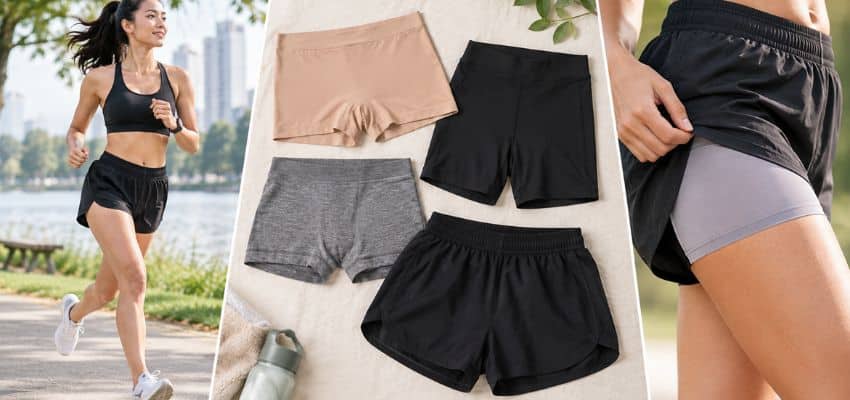
Deciding what to wear running in wind starts with one useful distinction: block the gusts without trapping the heat your body will soon produce.
A runner may feel perfectly comfortable between sheltered houses, then turn onto a bridge or open path and feel wind cut through the shirt. Bare ears, hands, and the front of the torso suddenly feel colder than the thermometer suggested. The air temperature has not changed; moving air is carrying heat away from exposed skin faster.
The most useful windy weather running gear is rarely the bulkiest. A breathable base layer plus targeted protection – perhaps a light wind-resistant shell or vest for a blustery, exposed route – keeps the gusts from biting without sealing in every watt of heat. Once the runner has warmed up, the outfit should feel almost forgettable: protected on the headwind, comfortably cool on sheltered stretches, and never damp and steamy inside.
This wind-specific setup fits inside the broader approach to running clothes for beginners: begin with one comfortable base outfit, then add only the removable layer the day requires.
Why wind feels colder than the forecast
The thermometer may still read 50°F (10°C), yet an open path can feel noticeably colder than a sheltered street. Wind increases heat loss from exposed skin without lowering the actual air temperature.
The National Weather Service explains this distinction in its wind chill explanation. Use the forecast alongside route exposure and clothing coverage; the wind chill reading is not a personalised measure of how warm you will remain while running.
Running adds another layer to the sensation. Even on a calm day, forward motion creates airflow; a headwind stacks extra moving air onto it. That is why an easy jog into a steady breeze can feel sharper than the same route on the return leg.

Heat still builds once the run starts
The useful counterweight is that a runner produces far more body heat than someone standing at a bus stop.
Heavy insulation can feel sensible during the first chilly minutes, then become clammy as effort rises. Sweat trapped under a thick, non-breathable layer often makes the later miles feel colder, not warmer.
A better response is to block wind where it matters while leaving an escape route for heat:
- Use a light wind-resistant shell or vest for a sustained breeze, exposed route, or gentle-paced run.
- Keep the base layer breathable; reserve extra warmth for genuinely cold air, rain, or long easy outings.
- Cover exposed hands, ears, or neck if those areas sting, rather than insulating the whole body.
The forecast is only the opening clue
-
Where the wind can reach
A sheltered loop through trees or buildings can feel calm at the same temperature that makes an open bridge, waterfront, or ridgeline sting. Long headwind stretches deserve a thin wind-resistant front layer more than an all-over warmer outfit.
FavorsExposed sections and sustained headwindsWatch forDressing for the calm first mile alone -
Whether clothing may become wet
Rain, wet snow, and sweat can leave clothing damp and increase the risk of becoming chilled. Choose protection for the expected moisture as well as the wind. A wind-resistant layer may n
FavorsWeather protection suited to rain, spray, or wet snowWatch forAssuming a windbreaker provides enough rain protection -
How long and how hard
A brisk 30-minute run produces a different amount of heat than an easy 90-minute outing with pauses at crossings. Faster effort often needs less insulation, while a longer, steadier run leaves less room for exposed skin to cool.
FavorsEffort changes, stops, and total time outsideWatch forUsing one outfit for every pace -
How that runner usually runs cold
Two runners can leave the same door in the same wind and make sensible but different choices. Someone whose hands or ears cool early can protect those small areas while keeping the torso light.
FavorsPersonal cold spots from past runsWatch forAdding warmth everywhere for one cold area
Check local weather alerts before choosing an exposed route. During a high-wind warning or severe thunderstorm warning, the National Weather Service’s high-wind safety advice is to enter a sturdy building. Postpone the run or move indoors when dangerous gusts or blowing debris are expected. If caught outside, seek shelter and avoid trees and power lines. No shell turns falling branches into a training aid.
Block the wind, not the escape routes
A runner leaving home in a thick jacket can feel sensible for the first cold block. Ten minutes later, the same jacket has become a private greenhouse: heat has nowhere to go, sweat dampens the shirt, and the wind feels worse whenever the pace eases.
The useful principle is selective protection. Wind needs to be blocked where it hits hardest – usually the chest, shoulders, front of the arms, and sometimes the thighs – while warm, damp air still needs paths out through lighter fabrics, mesh panels, or an unprotected back.
The aim is not to erase every trace of cold; it is to stay comfortably cool once running effort settles in.
Simple combinations that keep working
For a mild but blustery run, a moisture-wicking long-sleeve top may be enough, especially if the route has sheltered stretches.
When the gusts are sharper, a lightweight wind-resistant shell or vest over that top adds a useful front barrier without turning the whole outfit into insulation. A vest is often the quieter choice when the arms run warm but the chest feels the wind.
In cooler conditions, choose the base layer and any insulation around the expected effort and exposure. Check rain protection separately: a windproof label does not establish that a jacket will keep sustained rain out.
For cold, persistent rain, suitable waterproof protection and access to shelter matter alongside ventilation. Walking breaks, waiting, and the journey home may need more coverage than the hardest part of the run.
Avoid piling a fleece, insulated jacket, and sealed shell together for an ordinary run. That setup may feel pleasant while standing still, then traps the heat generated by moving. In low light or poor visibility, reflective details belong on the outermost layer.
Some sweating during a run is normal; damp sleeves alone do not prove that you dressed incorrectly. If you feel uncomfortably hot, open a vent or remove a layer where it is safe to do so. Put coverage back on when the effort drops or exposure increases. Mayo Clinic’s cold-weather layering advice recommends removable layers that can be adjusted as needed. You do not need to deliberately feel cold at the start to have chosen well.
When a light shell earns its place
A thin wind-resistant jacket is most useful when the breeze is not merely noticeable but persistent.
Picture a runner leaving a sheltered neighborhood for an exposed river path: the same cool morning can feel entirely different once the gusts have a clear run at the chest and arms. A lightweight shell keeps that repeated chill from becoming the whole run.

It earns its place most often when several small factors stack up:
- sustained wind on open roads, bridges, ridges, or waterfront paths;
- a cool start before the body has settled into its working temperature;
- light drizzle or spray that would otherwise soak a knit layer;
- an easy or stop-start run, when less effort means less self-generated warmth;
- a longer outing with a turn into the wind later on.
The useful version is wind-resistant, not sealed shut: light fabric, a simple zip, and enough venting or breathability that warmth can leave through the back and sides.
It can be worn over a wicking short-sleeve or thin long-sleeve, then unzipped once the runner is properly warm. In low light or poor visibility, visible or reflective details are a sensible extra.
A breathable long sleeve is often enough for a short, steady run in a mild breeze, especially on sheltered streets. If a shell must stay fully open through most of the route, it probably belonged in a pocket rather than on the runner.
Save the barrier for sustained exposure, a slower outing, or conditions that are both cool and wet.
Dress for the route and the effort
A runner heading into intervals may feel chilled during the warm-up, then be working hard enough ten minutes later to regret every extra layer.
For a hard session, a breathable long sleeve with a wind-resistant front – or a very light shell that can come off – usually makes more sense than a fully insulated top. The useful test is whether the layer can be opened, pushed off, or stowed before sweat accumulates.
Let the slow miles set the clothing choice
Long easy runs create less heat and leave more time for wind to work through a route. The most practical cold wind running clothes are adjustable: a wicking base, a packable wind layer, and small pieces for the ears or hands rather than heavy insulation everywhere.
The outer layer can stay in a pocket or waistband through sheltered miles, then go on before the route turns into the wind.
Walking breaks, crossings, and group waits reduce the effort that was keeping you warm. Keep a removable layer accessible, and plan coverage for these pauses as well as the running itself.
When the forecast is around 40°F (about 4°C), the clothing choices discussed in what to wear for a run in 40-degree weather offer a starting point to adjust for wind, rain, and time outdoors.
On routes that alternate between shelter and exposure, keep adjustments simple: vent when you feel too warm, add coverage before a colder exposed stretch, and keep the shell within reach.
A damp back alone does not mean the outfit is wrong. Pay attention to whether you are becoming uncomfortably hot or increasingly cold, including when you slow down.
Fine-tune the exposed edges
A runner may feel perfectly comfortable through the chest while the wind needles the ears, knuckles, and strip of skin above the collar. That is the moment for removable coverage, not another warm mid-layer.
A thin headband can cover the ears without turning the head into a sauna. A buff or light neck gaiter can be pulled over the lower face on an exposed bridge, then dropped as breathing and effort heat up.
Light gloves are similarly useful at the start or on gusty stretches; fit, breathability, and cuff coverage matter when choosing running gloves without overheating.

These pieces work like small dials. They can come off, go in a pocket, or move position in seconds, while the torso keeps shedding heat through breathable layers.
If fingers become clammy, the gaiter stays over the mouth after the gusts pass, or a headband feels unnecessary within the first mile, the runner has probably added more coverage than the day requires.
When wind arrives with rain
When rain joins the wind, assess water protection separately from wind resistance. A light windbreaker may suit brief drizzle, but cold, sustained rain can require a waterproof, breathable outer layer and enough insulation for the conditions. Plan where you can get indoors if your clothing wets through or you become chilled.
The clothing choices for running in rain expand on this balance: choose coverage for temperature, rain intensity, exposure, and duration, with dry clothing available afterward. Neither a shell nor a harder effort guarantees that you will stay warm.
Match protection to the rain
- Mist or brief drizzle: A light wind layer may be enough, especially on a short, steady run. Its job is to keep the chill off the chest while letting sweat escape.
- Sustained rain: Choose waterproof protection suited to the conditions, with ventilation you can adjust. Shorten, postpone, or move the run indoors if you cannot remain adequately protected. If you become wet and chilled, get into shelter and replace wet clothing with dry layers.
The CDC notes that hypothermia can occur even above 40°F when rain or sweat leaves someone chilled. Stop and get into shelter if you begin shivering or become increasingly cold. Replace wet clothing with dry layers. Seek emergency help for suspected hypothermia, especially with confusion, fumbling hands, slurred speech, or unusual drowsiness.
Storm clouds also flatten the light early. For dim roads, rain, or poor visibility, add reflective gear suited to low-light runs so moving traffic can pick out the runner before the weather does. A cap brim can keep rain out of the eyes without making the whole outfit warmer.

Build a personal wind formula
After the run, record the temperature, feels-like reading, wind speed, route exposure, pace, duration, and layers worn. Add one plain verdict: cold at the start only, comfortable throughout, chilled on the return, or overheated.
A few entries reveal whether the runner usually needs more help on the hands, torso, or long easy miles.
That record also prevents one unpleasant outing from dictating every future outfit. If the chest was comfortable but the ears stung, add a headband next time – not another jacket.
If you were uncomfortably hot, note when it happened and try adjusting ventilation or insulation next time; finishing sweaty alone does not show that the outfit was wrong. The goal is a repeatable personal formula, not obedience to a clothing chart written for someone else’s body and route.
Stay adjustable
- Start with a breathable base and enough coverage for the conditions.
- Add wind protection to exposed areas instead of warmth everywhere.
- Choose pieces that can be unzipped, removed, or stowed as effort rises.
What to wear running in wind depends on temperature, exposure, effort, duration, and whether rain joins the run. Choose a breathable base, suitable insulation, and adjustable weather protection. Plan for pauses and the return home as well as the running itself. Change the plan when conditions become hazardous, and get warm and dry if you become chilled.