A running plan should make the next run easier to begin, not turn the week into a test you are always failing.
Learning how to make a beginner running plan starts with the life that already exists: work, family, sleep, energy, weather, and the occasional week that refuses to cooperate. A realistic running plan for beginners gives those facts a seat at the table instead of asking them to wait outside.
Your first running routine does not need a race date or a rigid calendar. It needs a few repeatable days, a manageable session, room to recover, and a simple response when something changes. Someone returning after a long inactive period may want to read how to start from a lower baseline before deciding what the first week should contain.

How to Make a Beginner Running Plan
-
Choose two or three possible running days
Build a beginner running schedule around days that can usually repeat, then protect enough space for recovery.
-
Decide how each session will work
Choose easy continuous running or run-walk intervals according to what makes the effort manageable now.
-
Choose one simple measure
Use time or distance so the session has a clear ending without collecting numbers that do not help.
-
Set a rule for changing the plan
A useful weekly running routine says when to progress, when to repeat, and when to do less.
-
Prepare for imperfect weeks
Knowing how to plan running days also means deciding what happens after fatigue, a missed run, or time away, so the result remains a flexible running schedule.
These decisions form a framework, not a fixed program. The smallest workable version is a legitimate place to begin.
Choose Running Days That Fit Real Life
A beginner running schedule can begin with two days or three. The decision depends on recent activity, available time, how demanding each session feels, and what recovery looks like afterward. The practical answer to how to plan running days is therefore not a universal number. It is a weekly pattern that still looks possible after the novelty wears off.
Start With a Number You Can Repeat
For a crowded week or a body returning to impact, running twice a week may be enough to establish a dependable rhythm. It leaves several possible recovery days and makes rescheduling easier without squeezing two runs together.
Three days are not automatically too much. A three-day running schedule can suit someone whose sessions are gentle, whose daily activity already provides a foundation, and whose week allows rest between runs. The NHS Couch to 5K plan, for example, uses three weekly sessions and advises a rest day between them. That is a useful model, not a command that every beginner must copy.
Leave Enough Space Between Runs
When possible, place an easier or non-running day between early sessions. Understanding why rest days matter helps explain why running on consecutive days deserves extra care.
Back-to-back runs leave less time to notice soreness, unusual fatigue, or pain that becomes clearer the next morning. If adjacent days are unavoidable, keeping at least one session shorter or gentler is more sensible than pretending both must be identical.

Choose a Session Format You Can Manage
A first running routine may use walking breaks from the first minute, or it may contain a short stretch of gentle continuous running. Both approaches can be valid. Breathing and leg discomfort often arrive surprisingly early, and understanding why the first minutes feel difficult can stop that normal adjustment from being mistaken for personal failure.
Use Run-Walk Without Treating Walking as Failure
A beginner run-walk ratio gives the session a repeatable pattern: a short easy run followed by enough walking to regain control. The starting numbers matter less than whether the pattern allows relaxed movement and reasonably steady breathing.
The first ratio is only a draft. If the running portions repeatedly become ragged, adjust difficult intervals by shortening the run, lengthening the walk, or slowing the running effort. Changing the pattern is not erasing the session; it is using the information the session provided.
Give the Session a Contained Ending
For someone who wants a small, complete outing, a 20-minute run-walk session can include several modest intervals without asking for continuous running. Warm-up and cool-down time can sit around that central block according to comfort and conditions.
By contrast, running 30 minutes nonstop is a possible future capacity, not an entrance examination. It may develop gradually, may not be the current goal, and does not make a shorter run-walk session less worthwhile. The calendar records minutes; it should not be allowed to grade the person inside them.

Choose What the Plan Will Measure
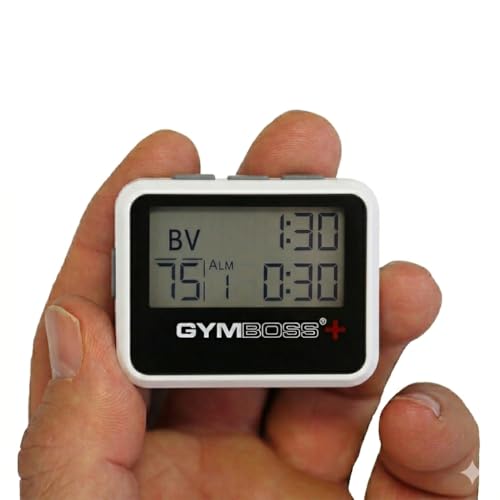
Choosing whether to run by time or distance changes what the session asks you to notice. Time works well when the day has a firm boundary or pace varies with hills and walking breaks.
Distance can feel simpler when a familiar route removes decisions, especially when you approach it by using distance without turning it into pressure. Pick the measure that makes the ending clear, and let effort remain easy enough to manage.
A busy day may also raise the question of splitting one run in two. Smaller bouts of movement still contribute to total physical activity; the CDC notes that weekly activity can be broken into smaller chunks. Two short bouts, however, are not identical to one continuous-running goal. Count them honestly for what they provide instead of forcing two different purposes to wear the same name.
Let Recovery Have the Final Word
A weekly running routine becomes useful when it responds to what happened after the run. Mild tiredness or temporary muscle stiffness can occur after unfamiliar activity, but worsening pain, notable swelling, altered walking, or symptoms at rest deserve more caution. The practical guidance in starting without getting injured helps separate gradual progression from the urge to add more simply because the calendar says so.
Recovery does not need a perfect score. Notice whether normal movement is comfortable, whether energy returns, and whether a symptom is settling or becoming more intrusive. Spreading activity across the week can reduce excessive fatigue; the Physical Activity Guidelines for Americans specifically notes a potential benefit to distributing activity across at least three days.
Stop running and seek urgent medical help for chest discomfort, fainting, or severe or unusual shortness of breath. The American Heart Association warning signs include chest discomfort, shortness of breath, and lightheadedness among symptoms that require attention.
For a possible injury, worsening pain, substantial swelling, pain that affects ordinary walking, or an inability to put weight on the area warrants appropriate medical advice. The NHS running-injury guidance advises stopping when pain occurs rather than running through it, and its sprain and strain guidance identifies swelling and inability to use or bear weight normally as important signs.
Completing a walk or run is not a medical clearance test. When health, medication, pregnancy, a chronic condition, or a recent illness makes starting uncertain, ask a qualified healthcare professional for individual guidance.

Decide Whether to Progress or Repeat
Progress is easiest to understand when only one meaningful variable changes. Keep the other parts of the session familiar long enough to notice the effect. A plan that changes duration, interval structure, frequency, and pace together produces plenty of drama but very little usable information.
Change One Variable at a Time
When it is time to increase running mileage, the increase might be a little more time, one additional interval, or an occasional extra day. It should not be all three at once. The familiar 10 percent rule may sound tidy, but it is not a universal prescription; recent workload, symptoms, recovery, and the size of the actual change matter more than obedience to one percentage.
Repeat the Week When It Has Not Settled
It is reasonable to repeat the same running week when the sessions still feel unpredictable, recovery is slower than expected, or life has made the pattern hard to judge. The NHS Couch to 5K guidance explicitly allows runs or weeks to be repeated when needed. A repeated week is not a failed week; sometimes it is the week that makes the next one possible.
Adjust the Plan When Life Interrupts It
A flexible running schedule does not try to collect every missed session later. It protects the overall rhythm by responding to the week that actually happened. That is what makes it a realistic running plan for beginners: the plan can bend without being abandoned and can resume without punishment.
Let One Missed Run Stay Missed
The useful question after a missed run is not how to repay it. It is what keeps the next few days sensible. Consistency grows from returning often enough, and this guide to staying consistent without perfect motivation explains why one broken appointment does not have to break the habit.
-
01Keep the next session as planned
Use this when the missed day has not changed recovery, health, or the spacing of the week.
-
02Shorten the next run
Reduce the session when time or energy is limited instead of compressing two runs into one.
-
03Choose an easy walk
Keep a small appointment with movement when running does not fit the day or the body.
-
04Skip it and resume the normal rhythm
Let the missing session remain missing when making it up would crowd the rest of the week.
None of these choices creates a debt. The goal is to protect the next workable pattern.
Restart Below the Last Comfortable Session
When deciding how to restart after two weeks off, begin below the last session that felt comfortable rather than trying to prove that nothing changed. A shorter duration, more walking, or fewer weekly runs can provide a calm first check. There is no single reduction that fits every reason for the break, especially after illness or injury, so symptoms and professional advice take priority when they are relevant.

FAQ
How many days should a beginner run each week?
Two or three days can both be reasonable starting points. Choose the number that fits your recent activity, session difficulty, available time, and recovery. When possible, leave a non-running day between early sessions so you can notice how the body responds.
Should a beginner run by time or distance?
Time is often simpler when pace varies or the day has a firm limit. Distance can work well when a familiar route reduces decisions. Use whichever measure gives the session a clear ending without encouraging you to chase speed.
Is it okay to repeat the same running week?
Yes. Repeat a week when the sessions still feel unpredictable, recovery has not settled, or interruptions made the week hard to evaluate. Repetition can make the pattern more familiar before anything increases.
What should I do after missing a run?
Do not automatically squeeze the missed run into the next day. Keep the next session, shorten it, choose an easy walk, or skip it and return to the normal rhythm according to time, recovery, and how the week is spaced.
Build a Plan You Can Return To
- Choose days that can repeat without crowding recovery.
- Use a session format and measure that create a calm ending.
- Progress one variable at a time and repeat when needed.
- Treat missed runs as information, not debt.
The heart of how to make a beginner running plan is not predicting every week correctly. It is building a small pattern, noticing what happens, and changing that pattern without turning each adjustment into a verdict.
Plans often become fragile when early enthusiasm asks for more days, more minutes, and more proof at the same time. Understanding why beginners often stop running can help keep ambition from making the routine impossible to return to. A good plan leaves room for recovery, ordinary responsibilities, and the person you are on a difficult Tuesday – not only the person you imagine on a perfect Sunday.
If you ever feel overwhelmed by trying to build your routine, you can visit our minimalist Run For Health Life Hub on Google Sites. It is a simple, bite-sized page created to remind you of our core “health-first” philosophy whenever you need a gentle push before your run.