
Twenty minutes may not sound like much, but that is part of its usefulness. You can fit it into an ordinary day, finish before your legs fall apart, and still get enough running to start learning what an easy effort feels like.
This workout uses a simple 4–12–4 structure: four minutes walking, twelve minutes alternating running and walking, then four minutes walking again. You are not trying to run for twenty minutes nonstop. You are trying to finish twenty minutes feeling that another session in a day or two would be perfectly possible.
When I first started running, that last part would have sounded suspicious to me. I thought a workout was supposed to leave some evidence behind – heavy breathing, sore legs, perhaps a small personal tragedy.
It took me a while to understand that beginners do not need harder workouts nearly as much as they need repeatable workouts.
Someone starting to run from a low fitness level may need more walking than running at first. That does not change what we are trying to accomplish here.
The 4–12–4 workout
There is nothing magical about the numbers 4–12–4. They simply make twenty minutes easy to remember and prevent the common beginner mistake of starting the watch and immediately running.
You know exactly what you are doing from the first minute to the last.
-
Minutes 0–4 – Walk
Begin easily and gradually move into a purposeful walk. You should feel warmer by the end, not tired.
-
Minutes 4–16 – Run and walk
Alternate short periods of easy running with walking. Start conservatively rather than seeing how long you can run before you have to stop.
-
Minutes 16–20 – Walk
Stop running and walk easily. Let your breathing settle instead of squeezing in one last hard effort.
Twenty minutes is the total outing, including walking. Six rounds of 30 seconds running and 90 seconds walking give three minutes of running; six rounds of 60 seconds running and 60 seconds walking give six. These are adjustable examples, not a requirement to finish every interval. If you need more walking, shorten the running portion rather than rushing the warm-up or cool-down.
The 4–12–4 structure is a practical way to organize this short outing, not a medically validated formula. The NHS beginner running plan uses five-minute warm-up and cool-down walks. Do not start jogging just because four minutes have passed; walk longer or reduce the middle section when needed.
For the middle twelve minutes, a true beginner could start with 30 seconds running/ 90 seconds walking. Someone already comfortable with brisk walking might try 60 seconds running/ 60 seconds walking.
Neither is the “better” workout.
The better one is the version that lets you control the last running interval almost as well as the first.
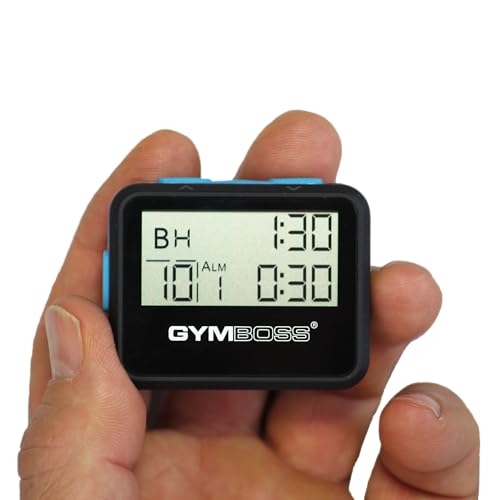
How to use the middle 12 minutes
This is the part where beginners tend to make a tiny workout unnecessarily difficult.
The first running interval feels good, so you run a little faster. The second still feels good, so perhaps you stretch it another thirty seconds. By the fourth, the mathematics has changed from “20-minute workout” to “how much longer do I have to suffer?”
That is exactly what the walking breaks are supposed to prevent.
- 30 sec run/ 90 sec walk
A gentle starting point when running is completely new or your current fitness is low.
- 60 sec run/ 60 sec walk
Useful when one minute of easy running feels controlled and the walking minute gives you enough recovery.
- 90 sec run/ 60 sec walk
Consider this only when shorter running intervals are already manageable. Each round lasts two and a half minutes: four rounds take ten minutes, leaving two minutes of walking to complete the middle section. Do not add another full round and accidentally extend the workout.
There are several workable run-walk intervals for beginners. The stopwatch is only giving the workout some structure; it is not testing your courage.
Keep the jogging controlled rather than chasing speed. The CDC talk test describes moderate effort as being able to talk but not sing, while vigorous effort allows only a few words before pausing for breath. Use this as an intensity check: slow down or walk if the effort is greater than you intended. Someone walking quickly may still stay surprisingly close to you.
Let them.
This is not a race against pedestrians.
Three beginner mistakes that make 20 minutes much harder
Most bad first runs are not bad because twenty minutes was too long. They become bad because the runner quietly changes the workout while doing it.
A planned easy run becomes a pace test. A walking break becomes something to avoid. A comfortable first interval becomes permission to make the next one harder.
Those mistakes are common enough that they are worth separating from the workout itself.
The walking periods are deliberate recovery intervals.
They allow you to repeat short running efforts without turning every session into a test of how long you can suffer.
Twenty minutes does not need to be compensated for with speed.
For a beginner, controlled easy running is the point of the session.
Feeling good is evidence that the current workload is working.
It is not an instruction to rewrite the workout halfway through.
That third one is sneaky.
When you feel surprisingly good, sticking to the planned walk can feel almost silly. But the goal is not to discover how far you can push the first few intervals. It is to see whether the whole workout suits you.
Save the experiment for another day.
What to do when the workout is too hard
A beginner workout should require effort. It should not gradually turn into a survival exercise.
The useful question is what became difficult?
Running out of breath, failing to complete an interval, and developing actual pain are three different problems. Treating them all as “I need to try harder” is where things go wrong.
-
You cannot finish the running intervals
Shorten them. Change 60/60 to 30/90 rather than forcing the same ratio again.
Look forA running interval you can repeat with reasonable control.AvoidTrying to survive the same interval simply because it was written down. -
You are gasping early
Slow the running pace before changing the entire workout.
Look forEasy running that lets your breathing remain controlled early in the session.AvoidTreating one minute of gentle jogging and one minute of hard running as the same workload. -
The walking break is not enough
Lengthen it. Recovery is part of the session, not time stolen from it.
Look forEnough walking time for your breathing to settle before the next running interval.AvoidShortening the walk simply because walking feels less impressive. -
Something actually hurts
Stop running rather than using the next walking interval as a way to bargain with pain.
Look forNormal effort and temporary fatigue rather than sharp or worsening pain.AvoidUsing the timer as a reason to keep running through pain.
Stop running if pain develops or worsens; do not use a walking break as permission to restart through it. For knee pain specifically, the NHS warning signs include severe pain, inability to bear weight, major swelling, locking or giving way, and a hot or red knee with fever. These need urgent medical advice rather than another workout adjustment.
One difficult workout does not mean you need a completely new plan.
It may simply mean you started too fast or chose intervals that were one step ahead of your current fitness. When you repeatedly cannot finish your run-walk intervals, adjusting the ratio gives you a much cleaner way to find a manageable starting point.
And there is no shame in moving backward on the timer.

What to do when it starts feeling easy
This is where I would resist another beginner instinct: upgrading every successful workout immediately.
Suppose you finish 30/90 intervals comfortably. Your breathing stays under control, the final interval still looks like running, and the next day your legs feel normal.
Excellent.
Do it again.
-
Repeat the same workout first
One comfortable day may simply have been a good day. A repeat tells you much more.
-
Lengthen the running portion a little
For example, move from 30/90 to 45/75 while keeping the middle section at twelve minutes.
-
Keep the total workout at twenty minutes
You do not need to add time at the same moment that you add running.
-
Judge the change after recovery
How your legs feel later that day and the following day is part of the feedback.
Progress does not have to be dramatic enough to deserve a before-and-after photograph.
An extra fifteen seconds of controlled running can be a perfectly useful change.
Once the workout is consistently comfortable, then you have a reason to decide whether the next step should be longer running intervals, a slightly longer session, or simply keeping this short workout available for busy days.
How this workout fits into a beginner week
This twenty-minute session is one workout, not a complete weekly running plan.
That matters because the temptation is obvious: “It is only twenty minutes, so why not do it every day?”
Because your calendar may have twenty free minutes every day. Your beginner legs do not necessarily share its enthusiasm.
A simple beginner week can place short runs on nonconsecutive days instead of stacking them together. The running sessions create the work; the spaces between them give you a chance to recover and see how your body responds. The NHS run-walk schedule uses three sessions a week with a rest day between runs. This is a useful beginner structure, not a guarantee of complete recovery; postpone or adjust the next session if symptoms have not settled.
A three-day beginner running plan gives this short session a much more sensible home than simply repeating it whenever you find twenty spare minutes.
Real life will still interfere.
You may plan Monday, Wednesday and Saturday, then Wednesday disappears under work, family or plain old exhaustion. That does not mean Thursday and Friday suddenly owe you two runs.
A missed workout does not need to be crammed back in merely to make the week look complete.
Resume in a way that leaves reasonable space between runs.

A quick check after each 20-minute run
You do not need a complicated training diary for this workout. Before deciding what to do next time, answer four questions while the session is still fresh.
Mostly yes?
Repeat the workout or make one small progression when it has become consistently comfortable.
Mostly no?
Make it easier.
That sounds almost too simple, but beginner training gets surprisingly messy when every difficult workout is treated as a challenge to overcome and every easy workout becomes a reason to add more.
Sometimes the useful response to a good run is simply:
Good. Same again next time.
Twenty minutes is enough for today
- Walk for four minutes.
- Run and walk for twelve.
- Walk for another four.
- Keep the running portions easy enough to repeat.
- Change one thing at a time when you progress.
- Leave room between sessions to recover.
A 20-minute running plan for beginners is not supposed to prove how tough you are. It gives you a small, clear workout that can fit into real life while you learn how your body responds to running. The first session does not need to be impressive. It needs to leave enough of you intact to come back for the second one.