
Your body needs electrolytes. That does not mean every run needs an electrolyte drink.
Are electrolytes necessary for running, or is water enough? For many short, easy runs in cool weather, plain water and your usual meals are enough. Longer outings, heavy sweating, and hot or humid conditions can make sodium replacement worth considering. The decision starts with the run, not the packet beside your bottle.
You do not need to copy someone else’s drinking routine to take care of yourself. Look at how long you will be out, the conditions, and what you will eat afterward. Then decide whether you need water, sodium, carbohydrate fuel, or a combination – because those do different jobs.
For a short, easy run in cool weather, water is usually enough
Sweating does not automatically create a need for a supplement. You lose water and some electrolytes, but food supplies electrolytes too. A short outing followed by ordinary meals is different from hours of sweating with little opportunity to eat.
Gundersen Health’s hydration guidance recommends water for short exercise sessions under an hour and lower-intensity activities such as light jogging. That is a useful starting point for recreational runners, not a promise that every run under 60 minutes has identical needs.
My runs are about 30 minutes outdoors on cool evenings. I sip plain water, sometimes swaying along to a favorite song while I drink. People have told me I should use electrolytes, but I have felt comfortable with water on those outings, so that is what I have continued using.
That experience has a setting: a short run on a cool evening. Feeling comfortable is useful feedback, but it does not measure my blood sodium or tell me what I would need on a much longer, hotter outing. If the conditions change, I can reconsider the drink too.
Whether to carry a bottle is another decision. Water for a 30-minute run depends partly on access and conditions; not needing an electrolyte product does not mean you should leave yourself without a way to drink.
Longer runs, heat, and heavy sweating can change what you need
Duration gives you a starting point. The weather, effort, and amount you sweat help explain whether that starting point fits today.
A longer run is a reason to reassess, not an automatic switch at 60 minutes
Nothing suddenly changes when your watch reaches one hour. A cool, relaxed outing and a demanding run in the sun can produce different losses, even over the same time. As runs get longer, there is more reason to plan fluids and consider sodium rather than relying on what worked for a quick loop.
You also have more time for small planning mistakes to matter. Think about refill stops, what you are already getting from food or other drinks, and whether the outing is unusually demanding for you. A sports dietitian can help when regular long or very sweaty runs make those decisions difficult.
A hot, humid outing can be demanding even when it is short
Mileage alone misses the conditions. Sun, humidity, clothing, and effort all affect the situation. Houston Methodist’s hot-weather running advice considers the environment and recommends cooler times or indoor running when outdoor conditions are extreme, alongside planning hydration.
An electrolyte drink cannot make an unsafe afternoon safe. Shortening the run, slowing down, choosing shade, or moving indoors may be more useful than changing what is in the bottle. Running safely in hot, humid weather involves those choices as well as drinking.
| Your outing | What changes the decision | A sensible starting point |
|---|---|---|
| Short, easy, and cool | No unusually large sweat losses | Water, with normal meals around the run. |
| Longer or harder than usual | More time exercising and greater demands | Plan water access; consider sodium and fuel separately. |
| Hot, humid, or very sweaty | Potentially greater fluid and sodium losses | Adjust the outing first, then plan fluids and appropriate replacement. |
| Finished a sweaty run; food is delayed | Less opportunity to replace losses through a meal | A suitable drink may be convenient; account for food when you do eat. |
Fluids, sodium, and fuel do different jobs
The word “hydration” can hide several different needs. Before choosing a drink, separate what you want it to provide.
- Water replaces fluid. A salt tablet without adequate fluid does not replace the water lost in sweat.
- Sodium replaces some sweat sodium losses. It also helps with fluid retention; it is not an energy source.
- Carbohydrate supplies fuel. A drink with little carbohydrate cannot stand in for the food or fuel needed for a prolonged outing.
The Australian Institute of Sport distinguishes electrolyte replacement products from drinks intended to meet exercise fueling goals. For example, a low-carbohydrate tablet and a carbohydrate-containing sports drink may both provide sodium, while only one supplies a meaningful amount of fuel.
That distinction matters if you feel tired. More electrolytes will not make up for having eaten too little. Eating during a longer run addresses a different need from replacing sweat losses.
Both belong within running nutrition and hydration, but one does not substitute for the other.
Salt streaks on your shirt are a clue that salt dried there, not a measurement of your total sodium loss. They can prompt a closer look at a consistently sweaty routine; they cannot tell you how many tablets to take. A bigger sodium number is not automatically a better fit.
Before, during, or after running? Match the timing to the need
There is no requirement to use an electrolyte product at all three stages. Decide what problem you are trying to solve before adding another serving.
Before running, start prepared rather than loading electrolytes by habit
For an ordinary short run, eating and drinking normally beforehand is often the practical foundation. Do not turn a packet into a ritual simply because someone else uses one.
If a long, sweaty outing is planned, preparation deserves more attention, but deliberate sodium loading is not a general beginner recommendation.
How you arrange water before running matters more than gulping a large amount just before leaving. Plan around your conditions and any medical advice you follow; there is no universal bottle size everyone needs to finish.
During longer or sweatier runs, plan access as well as replacement
Know where you can get a drink. A route with refill points, a loop past home, or water you carry can give you options. Thirst is useful feedback for many ordinary outings, but it cannot solve the problem of having no water available when you want it.
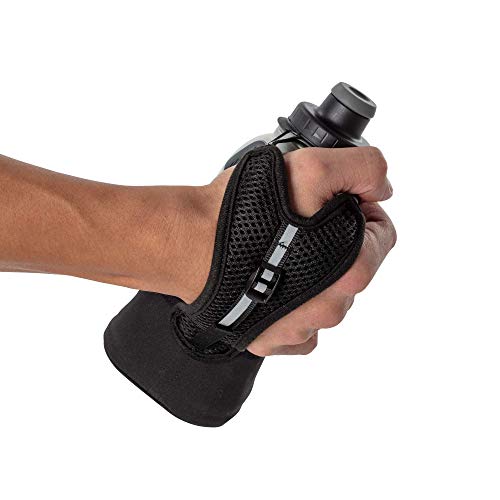
If you use an electrolyte drink, follow its mixing directions and account for other sources of sodium and fluid. Adding powder from one product, chews from another, and a sports drink makes the total harder to track. Do not force extra fluid to keep up with someone else’s schedule.
After running, count the meal as well as the drink
A normal meal can supply sodium along with other nutrients. The AIS notes that electrolyte drinks can be useful for targeted replacement after substantial losses, especially when food intake is delayed. That is a reason to consider one, not a requirement after every sweaty shirt.
For example, water with a meal is a different recovery arrangement from water alone followed by several hours without food. Eating after running helps cover needs a low-calorie electrolyte product does not. Include the meal in your thinking before assuming another supplement is missing.
If you choose an electrolyte product, compare the label, not the promises
Once a product has a job to do, the label becomes useful. “Hydration,” “zero sugar,” and a long list of minerals do not tell you whether it fits your outing.
-
Serving size
Check whether the nutrition information refers to one tablet, one scoop, or several servings in a bottle.
-
Sodium
Look at the amount in the portion you will actually use. More is not automatically better.
-
Total carbohydrate
Check total carbohydrate, not only the sugar claim. Decide whether you need fuel from this drink or are getting it elsewhere.
-
Mixing directions
Use the specified water volume. A concentrated mix is not simply the same drink with less water.
-
Other ingredients
Notice caffeine, sweeteners, and ingredients you know do not sit well in your stomach.
Tablets can be convenient to carry; powders may suit someone who prefers mixing a drink before leaving. Low-sugar electrolyte tablets and sugar-free electrolyte powders are formats to compare once you know the need. Neither format changes your fluid or fueling requirements.
Likewise, choosing between Nuun Sport and Liquid I.V. starts with the exact formulation and prepared serving, not the brand name alone. Leave detailed product comparisons for that decision; an easy evening run does not need to become a shopping assignment.
Headaches and cramps do not prove you need more electrolytes
“How do I know I need electrolytes?” is a fair question, but symptoms do not provide a simple home test. A headache, tiredness, nausea, or cramp can have more than one explanation.
The AIS describes exercise-associated cramps as multifactorial, with fatigue from unfamiliar exercise volume or intensity among the important contributors. Some individuals may benefit from sodium replacement, but that does not make every cramp evidence of sodium depletion.
- Notice: when the symptom began, conditions, effort, food, and what you drank.
- Avoid assuming: a salty taste, heavy sweating, or one tired run identifies the exact cause.
- Get advice: for recurring symptoms rather than repeatedly increasing water or sodium on your own.
A headache after running deserves context. Feeling better after a drink does not confirm what caused it, especially if you also stopped exercising, cooled down, ate, or rested. Those changes happened too.
Electrolytes do not make overdrinking safe
Avoiding dehydration does not mean drinking as much as possible. NATA’s fluid-replacement guidance warns that excessive fluid intake, including sports drinks, can contribute to exercise-associated hyponatremia: blood sodium becomes too diluted. Adding sodium does not give unlimited protection against excess fluid.
Treat your bottle as access to a drink, not a quota. For many ordinary runs, thirst can help guide intake. Longer or demanding outings may benefit from an individualized plan, particularly when access is limited.
Neither approach means forcing fluid beyond your needs. The risk of too much water while running is a reason to plan sensibly, not a reason to avoid drinking.
If you have kidney disease, heart failure, a prescribed fluid or sodium limit, or medicines affecting fluid balance, ask your clinician how to manage running. Blood-pressure treatment is another reason to check before routinely adding sodium. Do not change prescribed limits to match a sports drink label.
Stop exercising and seek urgent medical care for confusion, collapse, repeated vomiting, or a severe headache during or after a run. Heat illness, dehydration, and low blood sodium can be difficult to distinguish without assessment. Do not assume more water or an electrolyte mix will fix the problem. Mayo Clinic’s hyponatremia guidance explains why serious symptoms require medical attention.
Choose for your next run, not someone else’s routine
Before you leave, answer four short questions. They are more useful than deciding that you are permanently a “water person” or an “electrolyte person.”
- How long will I run, and how hard?
- Will today’s conditions make this unusually sweaty?
- Where can I drink, and when will I eat afterward?
- If I use a product, am I choosing it for sodium, carbohydrate, or convenience?
For my roughly 30-minute runs on cool evenings, plain water has felt comfortable. If I change the outing, I can change the plan. Are electrolytes necessary for running? They are essential nutrients, but a special drink is not essential for every run. Choose for the outing in front of you—and leave room for a favorite song along the way.