The best rain-running outfit is rarely the one that keeps every drop out.
At the front door, the usual mistake is easy to see: a runner either piles on a heavy waterproof jacket and soon steams inside it, or heads out in a thin cotton top that turns cold, heavy, and scratchy by the second mile. Neither choice makes a grey, ordinary run feel easier.
Deciding what to wear running in rain becomes simpler once the goal changes from blocking every drop to managing moisture, wind, and friction. A close-fitting synthetic or merino base layer, sensible coverage for the temperature, and a breathable outer layer when wind or steady rain calls for one usually work better than a sealed-up suit. The right balance changes with the forecast, the length of the run, and how quickly the runner tends to feel cold. A little dampness is normal; clammy, loose, rubbing fabric is the part worth avoiding.
- Use synthetic or merino fabric next to the skin.
- Add a shell according to temperature, wind, rain, and run length.
- Secure wet fabric and protect known rub points before leaving.
Read the weather as a combination
A drizzle on a mild, still morning can feel almost refreshing for forty minutes. The same drizzle, pushed by wind on a near-freezing day, finds its way through every seam. Before heading out, assess five things together rather than reacting to the rain icon alone:
- Rain intensity: brief mist, steady rain, or hard, wind-driven rain.
- Temperature and wind: wind makes damp fabric feel colder much faster.
- Run length: a 20-minute loop permits less protection than a long, slow outing.
- Personal cold tolerance: the runner who chills easily needs a layer sooner than the runner who runs warm.
- Expected effort: easy pacing produces less heat than intervals or hills.
Choose protection for the whole outing, including exposed sections, walking breaks, and the trip home. A breathable top may be enough for a short run in mild drizzle, but a water-resistant shell should not be assumed to protect you through sustained cold rain.
Mayo Clinic’s cold-weather exercise advice recommends considering temperature, wind, moisture, and time outdoors together, and postponing rainy cold-weather workouts without suitable waterproof gear. In warmer conditions, adjust coverage and ventilation to avoid becoming uncomfortably hot.
Start with a close, quick-drying layer
The most useful rainy day running clothes stay light, smooth, and reasonably stable after they become damp. Cotton often feels harmless at the doorstep, then changes character after a few soaked blocks: it holds water, grows heavy, cools against the skin, and can rub at the underarms, waistband, or seams. A loose cotton shirt may also flap and stay wet long after the rain eases.
A fitted technical synthetic top moves moisture away from the skin and dries relatively quickly. Lightweight merino can be a comfortable alternative in cool conditions: it remains less clammy when damp, though it usually dries more slowly than synthetic fabric. Neither fabric keeps a runner completely dry; the practical advantage is that it stays lighter and less abrasive.

Fit should be close enough that wet fabric does not bunch or swing, but not tight enough to restrict movement. For longer wet runs, smooth seams and snug shorts or tights reduce rubbing. Afterward, gear should be removed promptly, turned inside out to air-dry, and washed when needed rather than left crumpled in a damp bag.
Add warmth only when exposure calls for it
A runner leaving in cool drizzle can feel almost overdressed for the first ten minutes, then grateful for one light layer after the route turns into the wind. A thin long-sleeve technical top or light midlayer earns its place when temperatures are cool, rain is wind-driven, or the run will last long enough for wet fabric to start drawing heat away.
In mild rain, however, insulation often creates the problem it is meant to solve: sweat builds inside, then chills when pace drops. Start with the same breathable base used on a dry day; add only a light, ventilated shell when wind or sustained rain makes it necessary. Rain-specific pieces should remain a small extension of a practical beginner running wardrobe, not become a separate wardrobe of their own.
Keep the smaller pieces secure and practical
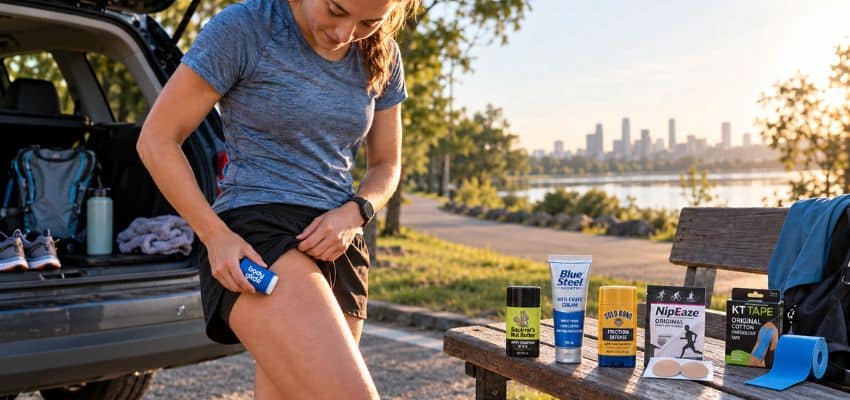
Choose fitted shorts, tights, or running pants that stay put when soaked. Loose fabric can sag, rub at the inner thighs, and feel surprisingly heavy; a close, comfortable fit reduces that movement. A little anti-chafing balm on known hot spots is reasonable, but there is no need to overcomplicate an ordinary run.
Technical socks – synthetic or merino blends – hold less water than cotton and are less likely to bunch. A brimmed cap keeps rain out of the eyes; thin gloves are useful in cold wind, but usually excessive in warm rain.
Shoes may get wet in a downpour. Choose a familiar, well-fitting pair suited to the surface, and check the outsole for wear rather than choosing only by how quickly the upper drains.
Slow down on slippery sections and avoid standing water that hides the ground beneath it. Keep dry socks for afterward. Once home, remove removable insoles, loosen the laces, and let the shoes air out according to their care instructions.
The driest jacket can be the sweatiest mistake
For light rain or a short, warm run, a breathable water-resistant shell is often more comfortable. Waterproof running layers become more useful as wind, cold, rain intensity, and exposure increase.
A sealed jacket can hold in body heat and sweat. Ten minutes into the run, the runner may feel just as wet inside as outside—only hotter and clammy.
In cold, windy, sustained rain, a genuinely waterproof breathable shell earns its place, especially on a longer, slower outing.
Wind drives rain through thin fabrics and strips warmth from wet clothing. A shell becomes a small moving shelter when conditions leave little chance to dry out.
A running shell should fit close enough not to flap, with room for its base layer and vents that can actually be opened.
Loose, saturated fabric rubs at the neck, underarms, and waist. A long casual jacket can also bunch at the hips; a running cut moves more cleanly with the stride.
Rain and sweat can leave you dangerously chilled even when the temperature is above 40°F (about 4°C), as the CDC explains in its hypothermia advice. If you begin shivering or become increasingly cold, end the run, get into shelter, and replace wet clothing with dry layers. Seek emergency help for suspected hypothermia, particularly with confusion, fumbling hands, slurred speech, or unusual drowsiness. A better jacket is not a reason to continue through these symptoms.
Three rain-day combinations that keep moving
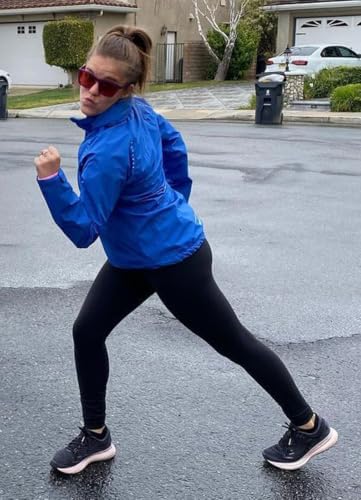
- Warm drizzle For a short run in warm drizzle, a technical tee or singlet, comfortable shorts, moisture-wicking socks, and a brimmed cap can be a starting point. A jacket may be unnecessary if you remain comfortably warm. Adjust for the conditions; fabric clinging to the skin alone does not tell you whether another layer is needed.
- Cool steady rain For cool, persistent rain, start with a moisture-wicking base and comfortable shorts or tights. Choose an outer layer suited to the expected rain and exposure; water resistance may be insufficient if the fabric wets through. Adjust ventilation when you feel too warm, but do not wait for wind to justify protection from prolonged cold rain.
- Cold and windy For cold, windy rain, consider an insulating layer beneath a waterproof, breathable shell, with suitable leg, hand, and head coverage. Choose a route with an easy exit to shelter. If your clothing cannot keep you adequately protected, shorten, postpone, or move the run indoors rather than relying on movement to keep you warm.
For a rainy 5K, plan for waiting before the start and cooling down afterward, as well as the race itself. Have a dry change available; the lightest outfit that feels comfortable during the warm-up may not suit the whole event.
Low cloud, spray, and an early dusk can make a runner harder to see. Near traffic, choose a light or bright outer layer with reflective details, and use a light when conditions are genuinely dim. A brimmed cap can keep water out of the eyes, but it should not block the view of vehicles or uneven ground.
If you hear thunder, stop the run and enter a substantial building or an enclosed, hard-topped vehicle. The National Weather Service’s lightning safety advice recommends staying sheltered for at least 30 minutes after the last thunder. Avoid flooded routes and moving water; visibility gear and rainwear do not make those conditions safe.
Keep wet fabric from turning into sandpaper
At the first mile, rain can make an outfit feel merely heavier. By the fourth, a loose hem has begun to saw at the waist and a soaked shirt seam can work under an arm with every swing. Water does not cause every hotspot, but it makes fabric shift, bunch, and stay pressed against skin.
Choose a fit that moves without rubbing
Choose moisture-wicking clothing that lets you move freely without pinching, bunching, or repeatedly rubbing the same spot. Close-fitting shorts or a secure liner may work for you, but tighter is not automatically better.
The American Academy of Dermatology’s chafing and blister prevention recommendations include moisture-wicking, loose-fitting clothing, properly fitting shoes, and protection at problem areas. Check seams and edges where you have previously noticed friction.
Before heading out, a quick check is worthwhile:
- Tug the waistband and bra band; neither should roll or creep when damp.
- Skip cotton underwear and heavy, loose shorts that can sag after a downpour.
- Wear socks that stay snug at the heel and have no folds at the toes.
- Cover known rub points with a small amount of anti-chafing balm or a protective patch before the first drop lands.

There is no need to coat every inch of skin. Targeted prevention matters most on a longer run, in steady rain, or when a runner already knows where friction begins. If rubbing becomes painful or the skin turns red, stop and deal with the hotspot instead of asking it to survive another mile. Afterward, changing out of wet layers promptly keeps tender spots from being irritated further.
Finish dry, start ready
The run ends at the door, where a runner who lingers in soaked layers often gets colder than expected. Wet shirt, socks, and tights should come off promptly; a dry top and warm socks make the ordinary transition home far more pleasant.
Shoes need air, not a blast of heat. Remove insoles if they come out easily, loosen the laces, and stuff the shoes loosely with paper to draw out moisture. Replace the paper once if the pair is truly drenched, then let everything dry in a ventilated spot away from radiators and dryers that can damage glues or fabrics.
Separate damp gear from the rest of the laundry basket so its smell and moisture do not spread. Follow each care label – especially on shells with water-repellent finishes. When the kit needs more than an airing, washing running clothes after wet runs should protect performance fabric without relying on harsh heat.
The useful habit begins before the next gray forecast: lay out the rain-ready outfit and a dry change of clothes. It turns a wet run from a soggy chore into a routine with a clear ending.
- Use a synthetic or merino base and fitted bottoms that remain stable when damp.
- Choose a shell according to temperature, wind, rain intensity, effort, and run length.
- Protect known rub points before leaving and change out of wet clothing promptly.
- Dry shoes slowly with airflow and loose paper, never direct high heat.
Knowing what to wear running in rain is less about keeping every drop out than controlling heat, wind, and friction. Start with quick-drying fabric, add only the protection the conditions justify, and keep wet seams from moving against the skin. The result may still be damp – but it should not be cold, steamed, or rubbed raw.