A useful week should end with information and confidence – not with a body asking who approved the schedule.
A 3 day beginner running plan works best when the three runs are separated, easy enough to repeat, and allowed to remain almost ordinary. The first run establishes a comfortable baseline. The second repeats that low-pressure effort. The third may become slightly longer only when the days between runs say recovery is going well.
This is one reusable week, not a fixed multiweek programme. It does not assign a universal pace, mileage target, or progression rate. Begin with a session you can already complete in control, then let breathing, soreness, energy, and willingness to run again decide what happens next.
The broader framework for how to make a beginner running plan helps choose an overall frequency. Here, the decision has already been made: you want to run three days a week without turning every outing into a test.
- Place at least one non-running day between the three runs.
- Keep the first two sessions familiar and conversational.
- Make the third run longer only after recovery gives a clear yes.
Build the week around three separated runs
- Separate the running days. Put at least one non-running day after Run 1 and Run 2. The longest gap can sit before or after Run 3.
- Keep two sessions deliberately similar. Run 1 and Run 2 should use the same basic method and a comparable easy effort.
- Let Run 3 earn any addition. The final run begins as another easy session and changes only when recovery has been convincing.
Rest does not have to mean lying perfectly still. Understanding why rest days matter begins with what they protect: enough recovery for the next planned session to reflect how ready you actually feel. Work, errands, an ordinary walk, and normal household movement may continue. The important boundary is that the day is not quietly converted into a fourth run or a hard workout that makes the next planned session harder to read.
Your reusable 3 day beginner running plan
-
Monday – Run 1
Complete one familiar easy session. Use the run-walk ratio or continuous easy running you have already handled well. Finish while breathing and movement remain controlled.
-
Tuesday – Recovery day
Notice how stairs, walking, sleep, and general energy feel. Ordinary movement is fine; another run is not required to make Monday count.
-
Wednesday – Run 2
Repeat Monday’s basic structure at the same easy effort. Do not chase the same pace, route time, or distance when weather and energy are different.
-
Thursday – Recovery day
Let any normal soreness settle. Persistent heaviness or discomfort is information for Saturday, not something to defeat before Saturday.
-
Friday – Open day
Keep the day ordinary. This extra space before Run 3 can be useful when the first two sessions still feel new.
-
Saturday – Run 3
Begin with the same easy plan. When recovery has been consistently good, add only one interval or a few comfortable minutes. Otherwise, repeat the baseline.
-
Sunday – Review day
Record effort, soreness, energy, and any change made. Decide whether next week should repeat this one.
The days may move, but the order should remain: easy run, recovery space, easy run, recovery space, third easy run, then review.

Day 1: establishes the baseline
- Use a known route or simple time-based outing. The first run is easier to judge when hills, surfaces, and navigation are not all new.
- Choose the familiar running method. Run-walk is appropriate when it keeps breathing calm; continuous running is appropriate when it already feels controlled.
- Stop with something left. The useful baseline is not the longest session you can survive. It is the one you can recover from before Run 2.
Day 2: repeats the effort, not the result
Run 2 is deliberately unexciting. Keep the same basic structure and use breathing to hold a similar effort. A warmer day, poor sleep, wind, or a busier route may produce a slower pace. That does not make the session worse; it makes pace a poor judge of whether the plan was followed.
When Monday felt harder than expected, Wednesday does not need to repay it. Shorten the running portions, lengthen the walks, or repeat a smaller version. This session exists to confirm that the weekly rhythm is manageable, not to win a two-run series against yourself.
Day 3: changes only after recovery agrees
The third run may be slightly longer, but “may” is doing useful work. Start with the baseline. Add one short running interval, one additional run-walk pair, or a few easy minutes only when the earlier sessions remained controlled and the days between them felt normal.
Do not make Run 3 longer and faster while also shortening the walk breaks. Those are several changes wearing one Saturday hat. One small adjustment gives the following days a clear question to answer: did the body absorb it comfortably?
Three controlled, separated runs already make a useful week. Feeling fresh at the beginning of Run 3 is only one signal; the final minutes and the following day matter too. Keep the third run unchanged whenever recovery is unclear, and add only one modest amount when the whole week has felt dependable.
Choose a conservative starting point
Use a session you have already handled well
- Breathing stays available. You can speak a short sentence and regain calmer breathing during walking intervals.
- Movement remains recognizably yours. Shoulders, arms, and stride do not become hurried merely to maintain a number.
- The day remains usable afterward. You may feel tired, but ordinary walking and responsibilities are still manageable.
- Recovery arrives before the next run. Normal soreness trends downward and does not alter daily movement.
Keep run-walk inside all three sessions when it helps
A three day running schedule for beginners does not require three continuous runs. Planned walking can keep the jogging portions relaxed and make the sessions easier to compare. Use the same comfortable ratio across the week before changing it.
The separate article on run-walk intervals for new runners explains how to choose the running and walking portions. For this weekly plan, the rule is simpler: shorten the run or extend the walk before breathing becomes ragged, then keep that gentler version long enough to judge it honestly.
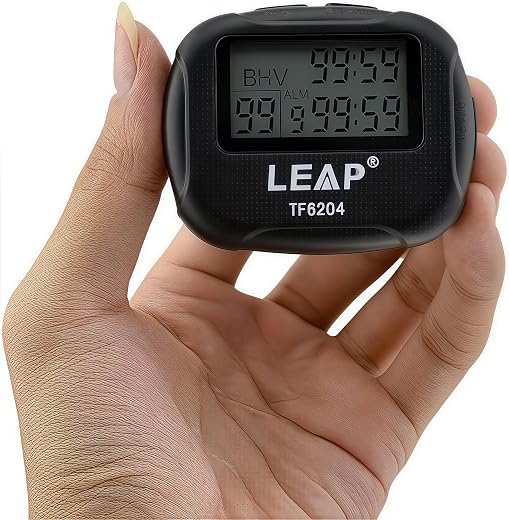
Let effort choose the pace
Use the talk test during every run
The talk test gives a beginner easy feedback without calculating pace zones. At a moderate effort, the CDC says a person can generally talk but not sing; at vigorous effort, only a few words fit before another breath is needed. For these beginner runs, aim for the conversational side and slow down sooner when speech begins to disappear.
Test an ordinary sentence, not one heroic “fine.” Something like “I could keep this rhythm for a while” is long enough to reveal whether breathing is still under control. On a solo run, saying it quietly still works. The trees are unlikely to file a complaint.
Use perceived effort as a second check
- Breathing: deeper than at rest but controlled enough for a short sentence.
- Posture: shoulders do not steadily climb toward the ears and the torso does not brace against the effort.
- Stride: steps remain comfortable rather than lengthening or rushing to preserve pace.
- Judgment: slowing, walking, or stopping still feels like an available choice.
An effort around 3–4 out of 10 may describe easy running for many people, but the number is only a prompt. Breathing, movement, and recovery provide the fuller answer.
The opening minutes may still feel disproportionately difficult while breathing and movement settle. Understanding why running feels so hard at first can keep that normal transition from becoming a reason to speed up or abandon the session.

Let the rest days report back
-
Green – recovery is convincing
Mild soreness settles, walking and stairs feel normal, sleep and general energy are near usual, and the next run feels reasonably welcome.
What to doRepeat the planned easy session; one small addition may be considered for Run 3What not to doTreating a green day as permission to change pace, duration, and intervals together -
Yellow – recovery is incomplete or uncertain
The legs remain heavier than expected, soreness is still noticeable, the previous run ended poorly, or enthusiasm is carrying more of the decision than the body.
What to doKeep the next session unchanged, make it smaller, or take more recovery timeWhat not to doAdding to Run 3 merely because the calendar says it should be longer -
Red – pain or function has changed
Sharp, worsening, localized pain, swelling, weakness, pain at rest, or discomfort that changes walking or running deserves more caution than ordinary soreness.
What to doStop the progression and seek appropriate medical advice when symptoms are concerning or persistentWhat not to doUsing a schedule, shoe, timer, or motivational slogan to push through a changing pain pattern
This article cannot diagnose pain. Sudden increases in physical activity are associated with overuse problems such as shin splints, and sharp or worsening pain is different from ordinary post-run soreness. Stop the session when pain changes the stride or continues to intensify, and seek qualified care for persistent, severe, swollen, weak, or otherwise concerning symptoms.
Repeat the week or change one thing
Repeat when recovery is not yet boring
Repeat the three day running routine when one session became much harder than intended, soreness regularly carried into the next run, or the third outing required determination that the first two did not. Repetition is not standing still. It is how a beginner discovers whether a week was manageable once or reliably manageable.
When recovery still feels uncertain, repeating a training week is often the steadier choice. Stay at the same level until the sessions feel manageable; a plan that fits does not need a promotion every Monday morning.
Change one variable when the week feels settled
- Keep Run 1 and Run 2 familiar so the week retains two useful reference points.
- Choose one addition for Run 3: one interval, one run-walk pair, or a few easy minutes.
- Keep the effort conversational instead of turning the addition into a faster workout.
- Observe the following day before deciding whether the change belongs in another week.
Leave a missed run missed
A missed session does not become a debt. What you do after missing a planned run should protect recovery: resume on the next suitable running day rather than stacking two runs or making the next outing longer to repair the calendar.
- Could I speak during each run? A disappearing talk test suggests that effort – not the calendar – needs adjusting.
- Did I recover before the next session? Look at walking, stairs, sleep, energy, and soreness rather than asking only whether the run was completed.
- Did discomfort change my movement? A changed stride or daily gait matters more than finishing the planned minutes.
- Did Run 3 remain controlled? An addition is useful only when the final minutes and following day stayed manageable.
- Would I willingly repeat this exact week? Reluctance may reveal that one session, one pace, or one addition asked for too much.
Write short answers while the week is still fresh. The log is evidence for the next decision, not a courtroom transcript.

FAQ about a 3 day running schedule for beginners
Which three days are best for a beginner running plan?
Choose three days that can remain nonconsecutive. Monday–Wednesday–Saturday and Tuesday–Thursday–Sunday are examples, not rules. The best combination leaves at least one non-running day after the first two sessions and fits ordinary responsibilities well enough to repeat.
Should all three beginner runs be the same length?
They may be. Keeping all three sessions the same is especially useful while you are learning how well you recover. The third run may become slightly longer after the first two remain easy and the recovery days feel normal, but it does not have to increase every week.
Can I use run-walk intervals on all three days?
Yes. Use one comfortable run-walk pattern across all three sessions when it keeps breathing and movement controlled. Walking portions are part of the chosen session, not evidence that the run failed.
How hard should the three runs feel?
Keep them conversational. You should generally be able to say a short sentence rather than only a few words between breaths. Perceived effort may feel around 3–4 out of 10 for many runners, but breathing, posture, and recovery matter more than matching a number.
Does the third run have to be longer?
No. The default third session can be the same as the first two. Add only a small amount when soreness has settled, daily movement feels normal, and the previous runs did not become harder than intended.
What should I do when the second run feels harder than the first?
Slow down, use more walking, shorten the session, or stop when control does not return. Do not assume the third run must compensate. Review sleep, weather, stress, soreness, and the first run before deciding whether to repeat or reduce the week.
Can I repeat this beginner weekly running plan for several weeks?
Yes. Repeat it while the sessions are still becoming familiar or recovery remains uncertain. Change one small part only after the complete week feels controlled. There is no deadline for making the third run longer.
Make the schedule ordinary enough to repeat
- Separate all three running days with recovery space.
- Keep Run 1 and Run 2 familiar and conversational.
- Let recovery – not the calendar – approve any addition to Run 3.
A 3 day beginner running plan does not need three different workouts, a mileage ladder, or a promise that every Saturday will be longer than the last. It needs three clear opportunities to practise easy running and enough space between them to understand what the body is saying.
Begin with a session you already trust. Repeat it. Let the third run remain the same until recovery makes one small addition feel reasonable. Some weeks will move forward; others will quietly confirm the current level. Both can be useful. The schedule is doing its job when running belongs in the week without taking the rest of the week hostage.