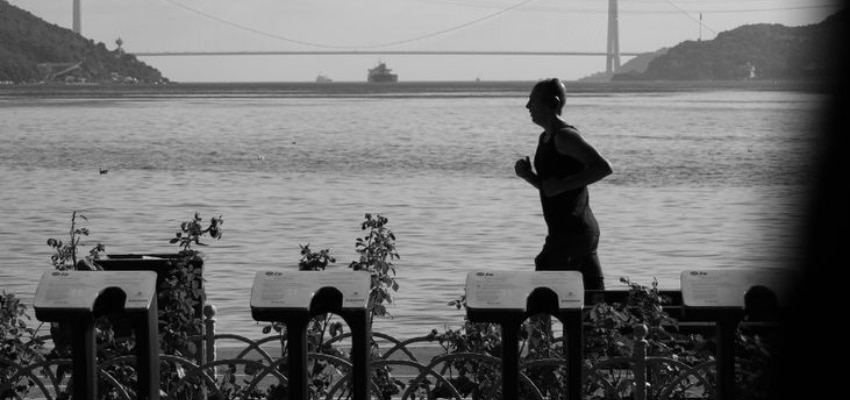
The run is over; recovery can stay ordinary.
At the corner where the watch stops, a beginner may notice everything at once: a loud heartbeat, damp shirt, tight calves, and the sudden suspicion that a complicated routine is required. Usually, it is not. Knowing what to do after a run begins with comfort: a few easy walking minutes when they feel good, dry clothes, a drink when thirst or heat calls for it, and a normal meal later.
A useful post-run recovery routine changes with the distance, pace, weather, and the runner. A short cool jog may leave only pleasant tiredness; a hard, hot run may call for more rest and attention. Stretching, a foam roller, cold, heat, compression, or massage can feel good, but none is a compulsory post-run ceremony. The next day offers useful information too: mild stiffness can be ordinary, while sharp, worsening, or swelling pain deserves caution and, when needed, medical advice.
What to do after a run in the first few minutes
Let breathing and movement settle
A runner reaches the end of an easy neighborhood loop and may feel ready to stop at the gate. After a hard hill session, that same runner may prefer a minute or two of easy movement while breathing settles. Neither choice is a test of discipline.
If it feels comfortable, ease into a stroll or very gentle jog, then stand somewhere safe and let the breath return to normal. Whether a deliberate cool-down is useful depends on the run, the weather, and how the body feels that day. A short walk can be pleasant after a long or hard effort, but walking after the finish is not mandatory recovery.
Get comfortable before adding a routine
Then handle simple comfort. In cold rain or humid heat, damp clothes can turn unpleasant quickly once movement stops. Towel off, put on something dry, and head indoors when possible; changing out of sweaty running clothes is mainly about warmth and comfort, not a rule that must happen at the exact finish line.
There is no timer to beat. A calm few minutes is enough before deciding what the body needs next.
Easy run, cool day: stopping and changing may be all that feels useful.
Long, hard, or hot run: a little easy walking, shade, and time to settle may feel better. Personal comfort is the guide.
Let the run set the recovery plan
Keep recovery after running proportional
A runner who ambles home after twenty easy minutes on a cool morning may need little more than a drink, a shower, and the next part of the day. The same runner, after a long humid route or hard intervals, may notice a soaked shirt, salt on the skin, a bigger thirst, and a sudden interest in lunch. Those details are more useful than a recovery checklist. Beginners can also use next-day comfort to choose a manageable running duration rather than increasing time simply because one run felt easy.
Check the run before choosing the routine
-
Effort
Longer, faster, or hillier runs usually leave more fatigue than an easy jog.
-
Conditions
Heat and humidity can mean greater fluid and salt loss; cold rain may make dry clothes the priority.
-
Body signals
Thirst, hunger, heaviness, and sleepiness can guide fluids, food, and rest.
-
The rest of the day
A busy afternoon may call for packing a snack and water; a quiet evening may make an ordinary meal and early bed enough.
These are clues, not boxes that every runner must tick.
Experience matters, too. A distance that feels routine for one person can be a substantial effort for another. There is no universal recovery clock: observe how the body feels later that day and the following morning, then adjust the basics rather than adding rituals.
Ordinary food, fluids, and a reset
After an easy neighborhood run, recovery may look almost disappointingly normal: a glass of water, a shower, clean clothes, then back to the day. That is often enough.
Drink and eat by the clues
Thirst, a dry mouth, darker urine later in the day, or a hot and sweaty run are sensible reasons to drink. Water suits many runs; after a long outing or heavy sweating, a regular meal and something salty may be more appealing than a sports product. Among the most dependable running recovery tips is this unglamorous one: replace what the particular run seems to have taken, without forcing litres when thirst is absent.
Fluid replacement should match the individual run rather than a universal bottle count. The NATA hydration statement emphasizes both maintaining hydration and avoiding excessive drinking that could contribute to exercise-associated hyponatremia.
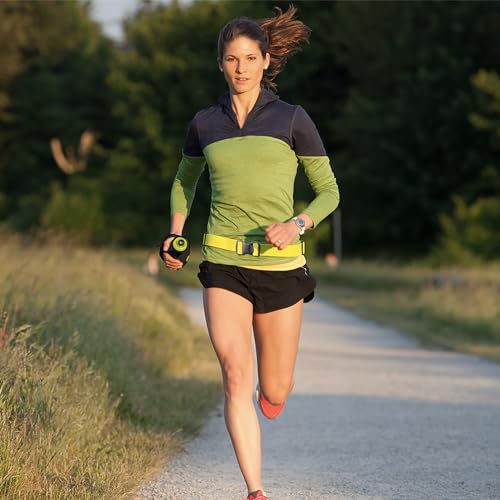
Hunger is another useful clue. A banana and yogurt, toast with eggs, leftovers, or the next ordinary meal can all do the job after a routine run. A harder, longer, or poorly timed run may leave someone especially hungry; an easy run close to a meal may not.
Return to normal life
A shower can feel restorative simply because it removes sweat and marks the transition out of exercise. Then comes the less glamorous part: sitting down, doing errands, and letting the legs be ordinary legs again. A decent night’s sleep is often more useful than chasing a complicated recovery ritual.
Tomorrow’s mild stiffness can be normal, especially after hills or a new distance. Persistent, sharp, worsening, or swelling-associated pain deserves a pause and, when needed, medical advice. Stretching, rollers, cold, heat, or compression remain optional comfort tools, explored in the dedicated guides ahead – not requirements after every run.
Tight does not always mean “stretch harder”
Gentle movement or a brief, easy stretch may feel good; doing nothing is also fine.
After a run, legs can feel temporarily guarded rather than “short.” A closer look at post-run stiffness can help separate comfort from obligation.
Ease into a position, breathe, and leave before it becomes painful.
A runner leaning hard into a curb stretch may turn a soothing pause into an irritated calf. These gentle after-run stretch ideas keep the emphasis on comfort.
They can be, but persistent one-sided calf pain, swelling, or a sudden sharp feeling deserves more caution.
Calves do a great deal of work, especially after hills or faster running. Read about calf tightness without overstretching when the feeling will not settle.
Stretching can still feel pleasant, but it should not be presented as compulsory recovery. A 2025 meta-analysis found that post-exercise stretching by itself did not significantly improve soreness, strength recovery, performance, or flexibility compared with passive recovery.
A few ankle circles, leg swings, or an unhurried walk around the room may be more appealing than holding a stretch. For runners stiff from a desk as well as a run, try this short mobility sequence for after sitting.
Stop any movement that causes sharp, pinching, or increasing pain. Mobility should feel like checking in with the body, not arguing with it.
The recovery that happens off the road
Give the same day a quiet ending
A run can end at the front door, yet its effects may linger into the evening. After an ordinary easy outing, the most useful plan may simply be dinner, dry clothes, and a quieter night. After a long, hilly, hot, or unusually hard run, it can make sense to leave more room for rest rather than trying to “fix” tired legs with a gadget or elaborate ritual.

Sleep is not a bonus feature of recovery; it is part of the basic backdrop. A good night’s sleep after a run may matter more than whether a runner stretches for ten minutes. Late runners who feel wired can make the transition gentler with a shower, food if hungry, and a low-key wind-down; settling after an evening run can take a little intention.
Sleep deserves its place among the basics rather than among the optional gadgets. An athlete sleep consensus identifies sleep as important for recovery, health, and performance, while also noting that individual sleep needs vary.
Use the next morning as feedback
The next morning offers useful information, not a test to pass. Mild, broad muscle tenderness – especially after new distance, hills, or speed – can be normal; this guide helps separate ordinary next-day leg soreness from a sign of overdoing it. If walking feels normal and stiffness eases as the day begins, an easy run or walk may be reasonable. If fatigue is heavy, movement feels awkward, or soreness changes the stride, choosing between a sore-leg run and a day off deserves care.
A rest day is training time, not missed training. Why runners benefit from rest days becomes clearer when the body is allowed to absorb unfamiliar effort. When fatigue repeatedly carries into the next planned session, a more sustainable weekly running frequency may help more than another recovery gadget. Sharp, worsening, localized pain, swelling, or pain that persists at rest is different from soreness and warrants medical advice.



Baths are optional, not a test
Warm water can be enough for comfort
A bath can mark the end of a run nicely: warm water may be soothing when legs feel heavy, while cool water can feel welcome after a hot, sweaty outing. That is enough reason to use either. The case for a warm bath after a run is mostly about comfort, not forcing sore muscles to change on command.
Cold water is a choice, not proof of commitment
Cold exposure deserves the same low-pressure approach. An ice bath is not a badge of commitment, and shivering through one is not a useful goal. Skip it when feeling chilled, dizzy, unwell, or simply reluctant; cool down, dry off, drink, and eat first after a hot run. For a clearer look at the hype and trade-offs, see whether ice baths belong after every run.
The best choice is the one that leaves the runner comfortable and safe. A normal shower and an early night remain perfectly good options.
Optional tools for sore legs
Foam rollers should stay gentle
At the end of a run, it can be tempting to see a roller, ball, or percussion device as the missing piece. Usually, they are simply comfort tools. A few quiet minutes sitting down, a shower, dry clothes, food, and sleep may suit the same runner just as well.
A gentle foam-rolling routine can feel pleasant on calves, thighs, or glutes. Pressure should be mild enough to breathe normally; grimacing, bruising, numbness, or sharp pain is a reason to stop. If the roller feels painfully intense, use more body weight through the hands, choose a softer surface, or skip it. A towel, hands, or simple alternatives at home can be plenty; there is no need to own a particular roller firmness. A small ball may be handy for the foot or calf, but choosing a massage ball is optional too.
Massage guns add convenience, not certainty
Massage guns offer vibration and convenience, not a guarantee of better recovery. Anyone curious about what percussion massage can and cannot do can start on a low setting, over muscle rather than joints or bones. There is no need to shop for a beginner massage gun before learning whether a hand massage or rest feels better.
Compression is personal and optional
Compression socks are comfortable for some runners, while their value after an easy run is not universal. Expensive compression boots for beginners are even less essential. The best test is simple: use a tool gently, notice how the body feels, and leave it aside when it adds hassle rather than comfort.

A recovery tool should not become a pain test. Stop for sharp pain, tingling, numbness, swelling, or symptoms that linger afterward.
When soreness is not the whole story
Ordinary soreness tends to be broad and easing
The morning after an unfamiliar hill session, legs may feel wooden on the stairs. That kind of dull, spread-out muscle soreness often shows up later, affects both sides or the muscles that worked hard, and gradually eases with ordinary movement and rest. It is a reason to adjust the next run, not necessarily a reason for alarm.
Pain that changes movement deserves a pause
Pain asks for more caution. Stop running and do not test it repeatedly when discomfort is sharp, stabbing, burning, causes limping, or stays focused on one small spot. The same applies to swelling, bruising, numbness, tingling, weakness, pain that worsens while resting, or an inability to bear weight normally.
A symptom that lingers, returns on each run, or fails to improve after a few days deserves a pause and an assessment from a qualified clinician. Sudden severe pain, a visible deformity, chest pain, faintness, unusual shortness of breath, or a hot, swollen calf needs urgent medical attention. For a clearer decision path, see when running pain needs a doctor’s assessment.
A hot, swollen, or unusually tender calf deserves particular caution because those symptoms are not specific to ordinary muscle soreness. The MedlinePlus blood-clot overview lists pain, swelling, tenderness, warmth, and redness among possible signs of a clot in an arm or leg.
No one needs to diagnose every ache at the finish line. The useful habit is simply noticing the trend: easing fatigue can be observed; escalating or altered-function pain should be respected.
If running changes the stride, stop for the day. If normal walking is difficult, or symptoms are severe or systemic, seek medical advice promptly rather than trying another recovery tool.
The small routine worth repeating
-
Settle after stopping
Walk a little if it feels good, then get out of damp clothes and into a comfortable temperature.
-
Drink and eat by the run
A hot, long, or hard run may call for more fluids and an ordinary snack or meal; an easy short outing may not.
-
Let the evening stay ordinary
A shower, a quiet sit-down, and a decent night’s sleep are often enough. Tools and elaborate rituals can remain optional.
-
Read tomorrow’s signals
General heaviness or mild soreness can be normal. Sharp, worsening, or movement-changing pain deserves a pause and medical advice.
Recovery can be pleasantly unremarkable
After one ordinary run, the whole recovery plan might be a short walk home, dry clothes, dinner, water, and bed. That is not cutting corners; it is often the sensible baseline.
The useful habit is noticing what changes from one run to the next. Conditions, effort, appetite, sleep, and soreness tell a clearer story than a rigid checklist ever could. That is the quiet answer to what to do after a run: meet the needs of this run, then let recovery remain part of ordinary life.
Enjoy your recovery time! As you let your body rest and rebuild, remember that resting your mind is just as important. Take a quiet moment to read our short Run For Health Life Manifesto on Google Sites. It is a peaceful, simple page designed to help you align your post-run recovery with our core philosophy of running for comfort and lifelong health.