
Thirty minutes sounds manageable until you try to run all thirty. Then the watch seems to slow down, the next bench becomes unusually attractive, and a simple weight-loss goal starts feeling like a test you did not prepare for.
If you are asking how long should I run as a beginner to lose weight, start by separating two things: the time you spend outside moving and the minutes you actually run. A twenty-minute outing might include a warm-up walk, several short jogs, and walking breaks. Those breaks belong to the session; they do not erase it. Running can contribute to weight loss, but no particular number of minutes guarantees it. Eating patterns and overall energy balance matter too. The useful starting point is an outing you can manage and recover from, rather than the longest run you can force yourself to finish. You can work toward longer sessions later. For now, the question is smaller: what can you do this week without turning next week’s exercise into something you dread?
- Begin with walking and short jogging intervals that suit your current ability. Continuous running is optional.
- Count warm-up walking, walking breaks, and a cool-down in your total outing time.
- Three run-walk sessions with a rest day between them is the structure used by NHS Couch to 5K, not a requirement to start with thirty-minute runs.
- A thirty-minute session can contribute to your activity total. It does not guarantee a calorie deficit or weight loss.
- Increase time gradually, and shorten or pause sessions when recovery or symptoms call for it.
How many minutes should you start with?
The answer depends partly on what you already do. Someone who walks regularly has a different starting point from someone whose usual exercise is carrying groceries from the car. Both can begin; they do not need the same first session.
Choosing a manageable running duration starts with your current ability, not the amount of weight you hope to lose. A weight-loss goal should not push the session beyond what you can currently tolerate.
If you are starting from little activity
Begin with a short walk you can tolerate. Ten minutes can be a practical trial, but it is an example, not a minimum you must complete. If necessary, make it shorter or split your movement into separate outings.
When walking feels manageable, try a brief, easy jog within the walk. Return to walking before the effort becomes a struggle. You do not need to turn that first experiment into ten continuous minutes of running.
If starting while feeling out of shape already feels intimidating, keep the first target modest enough that you can pay attention to breathing and comfort. The scale does not get to set the pace.
If you already walk comfortably
-
Keep the jogging brief
Use an interval you can manage rather than a continuous-running target.
-
Keep walking recovery
Walk between jogging intervals and shorten the jogging when needed.
Short run-walk intervals give you a way to add jogging without abandoning the walking you already tolerate. The first week of NHS Couch to 5K uses one-minute runs separated by ninety-second walks, with walking before and after the intervals.
That is one established starting structure. If a minute of jogging is too demanding, shorten it or stay with walking. If it feels easy, there is still no need to skip straight to a long continuous run.
- Little recent activity Begin with a manageable walk; thirty minutes is not an entry requirement.
- Walking feels comfortable Compare brief jogging intervals with walking recovery.
- Run-walk already feels manageable Repeat the current session before extending it.
These are starting approaches, not a schedule promising weight loss. If you have a health condition or are unsure whether running suits you, ask a healthcare professional about an appropriate starting level.
What a beginner run-walk session can look like
A clear structure saves you from negotiating every minute. You know when to jog, when to walk, and when the outing ends. That is more useful than leaving home with the instruction to “burn as much as possible.”
-
Walk for five minutes.
Use the opening walk to ease into movement.
-
Jog for one minute, then walk for ninety seconds.
Repeat that pair seven times, at a pace you can manage.
-
Complete one final one-minute jog.
Shorten or omit it if you need to finish earlier.
-
Walk for five minutes to cool down.
The full published session lasts twenty-eight minutes and thirty seconds, with eight minutes of jogging.
Eight running minutes inside a nearly thirty-minute outing is an important distinction. You are not being asked to run continuously just because the session takes about half an hour.
You can use a phone timer or audio instructions. Set the jogging and walking intervals separately so each alert tells you when to change, rather than asking you to watch the seconds pass.
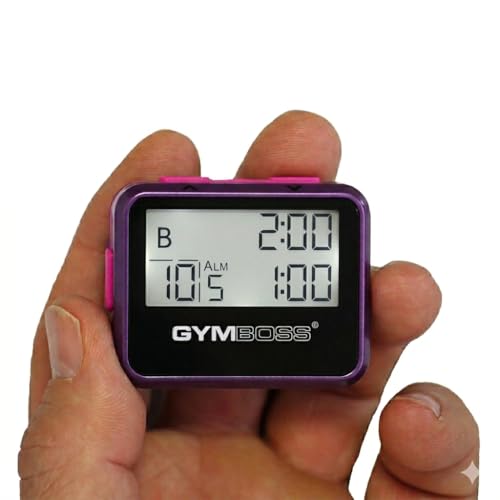
You do not need to buy a separate timer to begin. Use the equipment you have, and remember that an alert is a cue, not an instruction to continue through pain.
The NHS Couch to 5K plan schedules three sessions a week with rest days between runs and gradually builds toward thirty minutes of continuous running over nine weeks. Its progression develops running capacity; it does not promise a particular amount of weight loss.
Is thirty minutes enough – and do you need to run every day?
Thirty minutes can be a useful length for an outing once it fits your ability. It is neither a compulsory starting point nor a special switch that turns on fat loss. Ten, twenty, and thirty minutes do not belong to separate weight-loss categories.
Thirty minutes can include walking
- Outing time
All the time you spend moving, including warm-up, walking breaks, and cool-down.
- Running time
Only the jogging or running intervals within that outing.
- Weekly activity
Movement accumulated across the week; intensity matters when comparing it with activity recommendations.
If you have half an hour available, you can spend it walking and jogging rather than trying to run the entire time. On another day, a shorter outing may fit better. Record what you actually did, without turning the walking portions into missing minutes.
For general health, the CDC recommends at least 150 minutes of moderate-intensity aerobic activity or 75 minutes of vigorous activity weekly, or an equivalent combination, plus muscle strengthening on two days. These are adult activity recommendations, not a first-week running prescription or a guaranteed weight-loss dose.
Build toward an appropriate activity level gradually. All movement in a run-walk outing counts as movement, but different intensities are not interchangeable minute for minute in those recommendations.
Leave recovery between running days
A weight-loss goal does not create a need to run every day. The rest days in a beginner plan give you room to recover and notice how the previous session affected you.
For a three-session week, Monday, Wednesday, and Saturday is one possible arrangement. The day names are unimportant; the space between runs is the useful part. Gentle walking on another day can be an option if it feels comfortable.
If you remain unusually tired or sore, do not protect a thirty-minute target at all costs. Shorten the outing, reduce the jogging, or take more recovery. A schedule should serve your current ability, not require you to pretend it is higher.
Why running longer does not guarantee more weight loss
Running uses energy, but a workout is only part of your day. Food and drinks contribute energy too, and the number on a watch does not show whether your overall routine creates a calorie deficit.
That is why two people can follow similar running schedules and see different weight changes. A longer session may increase activity, but it does not automatically establish the energy balance needed for weight loss.
The CDC explains that physical activity and weight management are connected through calorie balance. Activity increases the energy you use; food and drink supply energy. Weight loss requires a calorie deficit over time, and the amount of activity needed varies between people.
You do not have to become an accountant at every meal. But it helps to look at both eating patterns and activity rather than asking one run to do the whole job. Regular meals, appropriate portions, and an approach you can maintain deserve attention alongside the training schedule.
Be cautious about using exercise calories as an exact food allowance. In a 2017 study of seven devices, Stanford researchers found substantial errors in energy expenditure estimates. Those results concern the tested devices, but they illustrate why a displayed calorie number should not be treated as a precise measurement.
If weight is not changing, resist the automatic answer of another ten running minutes. Review the broader routine, and consider advice from a registered dietitian or healthcare professional rather than continually raising the exercise target.
When to add time, repeat a session, or cut back
Progress does not have to mean adding minutes every week. Sometimes the useful change is repeating the same outing with less difficulty. Sometimes it is recognising that a session needs to become smaller.
When a little more time makes sense
-
Look for a pattern
Consider several manageable outings, not one unusually good run.
-
Change one thing
Adjust time without simultaneously adding pace or more running days.
-
Review recovery
Return to the earlier session if the change makes recovery worse.
Consider an increase after your current sessions have felt manageable across several outings, with recovery that allows you to go about your usual day. One unusually good run is less informative than a pattern.
Make one small change at a time. For example, you might extend a jogging interval slightly while keeping the other intervals, pace, and weekly schedule unchanged. That is an illustration of gradual progression, not a universal increment or percentage rule.
Watch the response to the change. If recovery worsens, return to the earlier session. There is no prize for keeping an increase that your body is not tolerating.
When repeating or shortening is the better choice
- Repeat when needed Keep the same session when it still requires considerable effort.
- Shorten when needed Use less jogging or a shorter outing when fatigue builds.
If the current outing still takes considerable effort, repeat it rather than lengthen it. If it leaves you drained, shorten the jogging intervals, add walking, or reduce the overall outing.
Do not use pain as a measure of how productive the run was. Sharp, increasing, or persistent pain deserves attention. Stop the activity that is provoking it and seek professional advice when needed.
MedlinePlus lists tiredness, reduced performance, needing longer recovery, sleep problems, and loss of motivation among possible signs of too much exercise. They do not prove a diagnosis. If symptoms persist despite reducing exercise and resting, seek medical advice.
Chest pain, fainting, or severe or unusual breathlessness calls for medical attention rather than a training adjustment alone. The goal of weight loss is never a reason to disregard those symptoms.
When will your weight or waist start changing?
There is no reliable answer based only on how many weeks you have run. Your running schedule cannot promise a visible waist change by week six, and a few completed sessions cannot tell you how much weight you will lose. The timeline for fitness improvements is a separate question from the timeline for weight loss.
Mayo Clinic explains that reducing belly fat involves the same eating and activity strategies used to reduce overall body fat. Exercises aimed at the abdomen do not remove belly fat on their own. Running also does not let you choose where your body changes first.
Keep body measurements separate from running progress. If you track weight or waist size, use a consistent method and look at the trend rather than treating one reading as a verdict. In your running record, note the session, effort, and recovery.
Perhaps you completed the same intervals without feeling rushed. Perhaps you found a weekly schedule that fits your life. Those observations do not prove fat loss, but they can help you track changes in running fitness separately from changes in body weight.
If weight loss is appropriate for you and progress remains unclear, review the approach with qualified support. Longer runs are not the only available change, and stricter exercise is not always the right one.
Choose the next manageable outing
- Include walking from the beginning.
- Build time gradually and allow recovery.
- Review eating patterns and activity together.
How long should I run as a beginner to lose weight? Begin with what your current fitness allows, include walking, and build gradually. A nearly thirty-minute run-walk outing can contain only a few minutes of actual jogging. That is a starting session, not something to apologise for. Keep the two goals clear: develop a running routine you can recover from, and address weight management through the broader pattern of eating and activity. Neither requires every outing to end in exhaustion. Choose a manageable next session. Let the longer run wait until it makes sense, rather than giving it a deadline simply because the scale is impatient.